Optimal Fertilizer for Growing Christmas rose: What You Need to Know
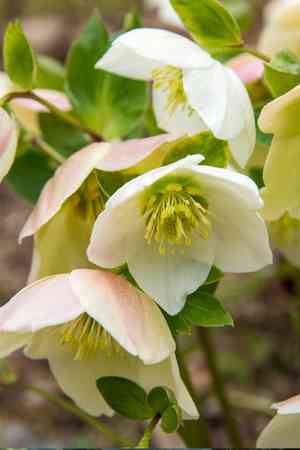
1
To achieve prime growth, nourish your Christmas rose in early Spring to meet its nutritional requirements throughout the active growing period.
2
An all-purpose, gradual-release plant food is perfect for Christmas rose, offering a steady supply of nutrients over an extended duration.
3
Refrain from excessive fertilization because it can cause chemical burn and damage your Christmas rose.
Understanding the Nutritional Needs of Christmas rose
Essential Nutrients for Christmas rose
The Christmas rose, prized for its stunning winter flowers, needs diverse nutrients to flourish. Key among these are nitrogen (N), phosphorus (P), and potassium (K)—known as NPK. Each nutrient plays a vital role in the plant’s growth and vitality. Nitrogen supports leaf development, phosphorus aids root formation and blooming, and potassium boosts overall plant health and disease resistance. Furthermore, Christmas rose benefits from micronutrients like magnesium, calcium, and iron, which keep it vigorous and robust.
Signs of Nutrient Deficiencies
Identifying nutrient deficiencies is crucial for maintaining your Christmas rose's health. Common symptoms include yellowing foliage (often a nitrogen shortage), poor flower production (possibly a phosphorus lack), and weak stems (a potential potassium deficit). Other less obvious indicators, such as smaller leaves or stunted development, suggest a need for micronutrients. Regular inspection of your Christmas rose for these signals ensures prompt correction and intervention, keeping your plants in prime condition.
Choosing the Right Fertilizer for Christmas rose
Types of Fertilizers: Organic vs. Synthetic
When selecting a fertilizer for your Christmas rose, you'll need to choose between natural and artificial options. Organic fertilizers, like compost or aged manure, release nutrients gradually and enhance soil structure over time. They are eco-friendly and support beneficial soil microbes. Conversely, synthetic fertilizers offer a rapid nutrient boost and are formulated for specific nutritional requirements. However, they don't contribute to long-term soil health. Consider your gardening philosophy and your Christmas rose's specific needs when deciding between organic and synthetic fertilizers.
What to Look for in a Fertilizer
For Christmas rose, selecting the correct fertilizer involves checking the NPK ratio and the presence of crucial micronutrients. A balanced ratio, such as 10-10-10 or 14-14-14, provides a good blend of primary nutrients. Additionally, slow-release formulas are beneficial as they supply a steady nutrient flow over time. Ensure your chosen fertilizer also includes essential micronutrients like iron, magnesium, and calcium. This comprehensive strategy will address all the nutritional demands of your Christmas rose, encouraging robust growth and beautiful blooms.
Best Practices for Fertilizing Christmas rose
When to Fertilize Christmas rose
The optimal time to fertilize your Christmas rose is in early Spring, just as new growth starts to appear. At this point, the plant is exiting its dormant stage and can efficiently utilize nutrients to support vigorous development and flowering. Applying fertilizer at the beginning of the growing season ensures your Christmas rose has all the nourishment it needs to thrive throughout the year. Avoid fertilizing in late Fall or Winter, as this can stimulate growth vulnerable to frost damage.
How to Apply Fertilizer Properly
Correctly applying fertilizer to your Christmas rose is vital to prevent harm and ensure maximum benefit. Begin by reviewing the instructions on your fertilizer package for recommended application rates. Gently work the fertilizer into the topsoil around the plant's base, being careful not to disturb the roots. Water your Christmas rose thoroughly after fertilizing to help dissolve and distribute the nutrients into the soil. If using a liquid fertilizer, apply it directly to the soil and avoid wetting the leaves to prevent foliage burn.
Avoiding Common Fertilizing Mistakes
Avoiding frequent fertilizing errors can shield your Christmas rose from potential harm. Do not over-fertilize; excessive nutrients can lead to root burn and damage. Always adhere to the instructions and recommended application rates on the fertilizer package. Avoid applying fertilizer to dry soil, as this can cause nutrient burn; always water your plant before and after fertilization. Also, refrain from using high-nitrogen fertilizers in late Summer or Fall, as this can promote new growth easily damaged by frost.
Monitoring Christmas rose After Fertilization
Observing Growth and Development
Monitoring your Christmas rose post-fertilization involves regular checks for signs of new growth and overall plant vigor. Look for vibrant, green leaves, sturdy stems, and an increase in flower quantity and quality. Additionally, watch for any adverse reactions, such as leaf scorch or discoloration, which might indicate over-fertilization or incorrect application. Maintaining a weekly or bi-weekly observation routine can help you detect any issues early and adjust your care regimen as needed.
Adjusting Fertilization Based on Plant Response
Modifying your fertilization approach based on the plant's reaction is crucial for the ongoing health of your Christmas rose. If the plant displays signs of nutrient deficiencies or excesses, adjust the fertilizer type and amount accordingly. For instance, if you notice yellowing leaves, an additional application of a nitrogen-rich fertilizer might be necessary. Conversely, if there are signs of nutrient burn, reduce the frequency or quantity of fertilizer. Taking a responsive approach ensures your Christmas rose receives optimal nutrition without the risk of over-fertilization.



