Optimal Fertilizer for Growing Pascuita: What You Need to Know
1
Pascuita plants flourish best in sandy, well-draining soil.
2
The prime time to start feeding Pascuita for peak development is during springtime.
3
Applying a balanced 10-10-10 fertilizer guarantees Pascuita gets even amounts of nitrogen, phosphorus, and potassium.
Deciphering Pascuita's Nutritional Requirements
Pinpointing Pascuita's Developmental Stage
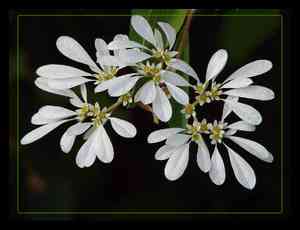
Grasping Pascuita's developmental cycles is vital for effective feeding. Pascuita, celebrated for its stunning white flowers, navigates distinct growth phases. Its period of vigorous growth occurs in spring and summer, during which it generates new foliage and blossoms. Recognizing this stage is crucial as it's when the plant demands peak nutrition to fuel its development. During its rest period, typically in autumn and winter, fertilization should be minimal or halted entirely, as the plant's growth significantly decelerates.
Identifying Essential Nutrient Needs
Various nutrients fulfill unique roles in Pascuita's vitality and development. Nitrogen is fundamental for leaf production, phosphorus boosts root and flower formation, and potassium sustains overall plant wellness. Beyond these primary elements, Pascuita also requires trace minerals such as calcium, magnesium, and iron for peak health. Understanding these nutritional demands enables cultivators to select the appropriate fertilizer blend, guaranteeing the plant receives balanced sustenance throughout its life cycle.
Selecting the Optimal Fertilizer for Pascuita
Fertilizer Varieties Suitable for Pascuita
Choosing the correct fertilizer for Pascuita is paramount for its well-being. Balanced fertilizers, like a 10-10-10 ratio, deliver equal proportions of nitrogen, phosphorus, and potassium. These are typically advisable for Pascuita. Slow-release formulations gradually dispense nutrients, minimizing the risk of over-feeding and providing consistent nourishment over time. In contrast, water-soluble fertilizers offer rapid nutrient absorption but necessitate more frequent applications.
Organic vs. Synthetic Fertilizers: Advantages and Disadvantages
Both organic and synthetic fertilizers possess merits and demerits. Organic options, such as compost or aged manure, enhance soil structure and microbial activity, which benefits Pascuita as it matures. However, their effects might be slower to appear due to their gradual decomposition. Synthetic fertilizers provide immediate nutrients, encouraging swift growth. The drawback is that they can contribute to soil degradation over time if not applied correctly. The choice between them hinges on your gardening objectives and current soil conditions.
Frequency of Fertilizing Pascuita
Fertilization Schedule During Active Growth
Throughout its active growth phase in spring and summer, Pascuita should be fed every 4-6 weeks. This consistent regimen supports the plant's rapid development and blooming. Excessive fertilization can be detrimental, so adhering to the recommended dosage and frequency is essential. Utilizing a slow-release fertilizer can streamline this schedule, lessening the need for frequent reminders.
Modifying Fertilization During Rest Periods
During the dormant seasons of fall and winter, Pascuita requires considerably less, if any, fertilization. The plant's growth slows substantially, and its nutrient requirements diminish. Over-fertilizing at this time can lead to a buildup of nutrients in the soil, potentially harming the plant when it resumes active growth in the spring. Monitoring the plant and reducing or ceasing fertilization during dormancy is critical for its long-term vitality.
Step-by-Step Fertilizer Application for Pascuita
Preparing the Fertilizer Solution
To prepare the fertilizer solution for Pascuita, begin by selecting a balanced fertilizer, such as a 10-10-10 blend. If using a water-soluble product, dilute it to the suggested concentration, typically one tablespoon per gallon (3.78 liters) of water. For slow-release fertilizers, measure the appropriate quantity based on the size of your Pascuita specimen. Always consult and follow the manufacturer's directions to prevent over- or under-fertilizing.
Correctly Administering the Fertilizer
When applying the fertilizer, ensure it's distributed evenly around the base of the Pascuita, avoiding direct contact with the stem to prevent scorching. Water the plant both before and after fertilizer application to help the nutrients penetrate the root zone more effectively. If using granular fertilizer, gently work it into the topsoil layer. For water-soluble solutions, apply evenly and allow it to soak in. Consistency and proper application techniques are vital for supporting the plant's health and development.
Typical Errors to Avoid When Fertilizing Pascuita
Dangers and Indicators of Excessive Fertilization
A common error is over-fertilizing, which can cause nutrient burn, identified by yellowing or browning leaves and diminished plant health. Too much fertilizer can also result in salt accumulation in the soil, potentially damaging the plant's roots. To circumvent this, always adhere to the recommended fertilizer dosages and schedules. If you observe signs of over-fertilization, such as discolored foliage or stunted growth, reducing fertilizer application and leaching the soil with water can help alleviate the damage.
Neglecting Soil pH and Electrical Conductivity
Another frequent misstep is overlooking soil pH and conductivity. Pascuita thrives in slightly acidic to neutral soil, with a pH ranging from 6.0 to 7.0. If the soil pH is too high or too low, nutrient uptake can be impeded, even if the soil contains ample nutrients. Conductivity, which measures the soil's capacity to conduct electrical currents, indicates the concentration of salts and nutrients in the soil. High conductivity can signal excessive fertilizer use, whereas low conductivity may point to nutrient deficiencies. Regular soil testing can help you maintain the correct balance, ensuring Pascuita's optimal health.



