Optimal Fertilizer for Growing Fire-star orchid: What You Need to Know
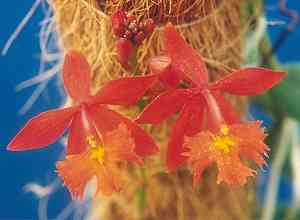
1
For optimal outcomes, employ a balanced liquid plant food (20-20-20).
2
Prior to use, consistently dilute the plant food to 50% of its recommended strength.
3
The ideal period to nourish Fire-star orchids is during the summer, when the plant exhibits vigorous growth.
Understanding Nutrient Requirements for Fire-star orchid
The Importance of Nutrients for Orchid Vitality
Nutrients are vital for your Fire-star orchid's well-being. Key elements include nitrogen (N), phosphorus (P), and potassium (K), often called NPK. These support various functions: nitrogen for foliage, phosphorus for roots and flowers, and potassium for overall health and disease resistance. A balanced supply ensures vivid blooms and strong growth.
Indicators of Nutrient Deficiencies in Fire-star orchid
Recognizing nutrient deficiencies in your Fire-star orchid helps in prompt fertilization adjustments. Common signs include yellowing leaves, often signaling a nitrogen shortage. Insufficient phosphorus can lead to poor root development and fewer flowers, while potassium deficiency may cause weak stems and increased disease susceptibility. Monitoring these signs enables targeted nutrient support for your orchid's prosperity.
Selecting the Appropriate Fertilizer for Fire-star orchid
Fertilizer Types: Natural vs. Synthetic
Choosing the correct fertilizer involves deciding between organic or synthetic options. Organic fertilizers, like compost or worm castings, release nutrients slowly and enhance soil structure. They are excellent for long-term health but may not offer a rapid nutrient boost. Synthetic fertilizers, such as a 20-20-20 liquid, provide immediate nutrient availability and are easy to apply. For Fire-star orchid, a diluted, balanced synthetic fertilizer is often advised during the active growth period.
Essential Components to Seek Out
For Fire-star orchid, a balanced fertilizer with equal parts nitrogen, phosphorus, and potassium (20-20-20) is optimal. Additionally, look for trace elements like magnesium, calcium, and iron, crucial for overall plant health. These micronutrients aid enzymatic activities, chlorophyll production, and cell wall integrity. Ensuring your fertilizer contains these key components will foster vigorous growth and brilliant blooms.
Fertilization Frequency for Fire-star orchid
Consistent Feeding Schedule
Establishing a consistent feeding schedule is vital for maintaining robust growth in your Fire-star orchid. During the active growing season, including summer, fertilize every two weeks. This frequent feeding supports vigorous growth and flower production. Conversely, reduce fertilization during the winter dormancy to once a month or less, as the plant's nutrient needs decrease.
Adapting Fertilization to Seasonal Changes
Adjusting your fertilization practices according to the seasons ensures your Fire-star orchid receives the correct nutrients at the opportune time. During summer, when the orchid is actively growing, applying fertilizer every two weeks is ideal. In cooler months, especially winter, switch to a monthly schedule or even less frequently to prevent over-fertilization, as the plant's growth slows.
Proper Fertilizer Application for Fire-star orchid
Preparation and Application Methods
Correct fertilizer application ensures your Fire-star orchid receives maximum benefit without harm. Begin by diluting your fertilizer to half the recommended strength to prevent root burn. Water your orchid first to moisten the growing medium, then apply the diluted fertilizer evenly. Always use a balanced liquid fertilizer (20-20-20) and adhere to a regular schedule to promote healthy growth and vibrant blooms.
Common Errors to Avoid
When fertilizing your Fire-star orchid, it's crucial to avoid common mistakes that can harm the plant. Over-fertilization is a frequent error; always dilute the fertilizer and follow the feeding schedule. Avoid applying fertilizer to dry roots, which can cause root burn. Additionally, ensure even application to prevent nutrient imbalances, and refrain from using high-nitrogen fertilizers exclusively, as they can hinder bloom production.
Observing Fire-star orchid Post-Fertilization
Indicators of Excessive Fertilization
Monitoring your Fire-star orchid for signs of over-fertilization is crucial for its well-being. Symptoms include scorched leaf tips, yellowing foliage, and a white salt crust on the growing medium. If you observe these signs, immediately flush the growing medium with plain water to remove excess fertilizer. Adjust your fertilization routine to prevent further damage, ensuring healthier growth.
Modifying Fertilization Practices Based on Plant Feedback
Observing your Fire-star orchid's reaction to fertilization allows you to refine your care routine. If the plant displays vigorous growth and vibrant blooms, you're on the right path. However, if growth is stagnant or there are signs of nutrient imbalance, adjust the frequency or concentration of fertilizer. Each orchid is unique, so tailored fertilization based on plant feedback will yield the best outcomes.



