Optimal Fertilizer for Growing Dendrobium Noble: What You Need to Know
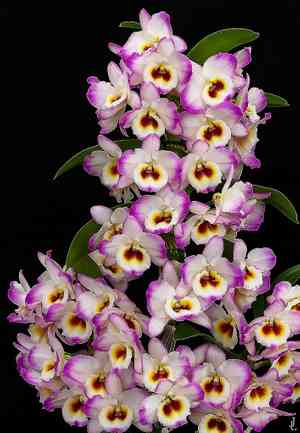
1
Dendrobium Noble orchids thrive with an even 20-20-20 N-P-K nutrient blend through most of their development.
2
Ensure the growing substrate is damp prior to fertilization to prevent damage to the roots.
3
In the summer months, feed Dendrobium Noble fortnightly for optimal growth.
Deciphering the Nutritional Requirements of Dendrobium Noble
The Function of Nutrients in Dendrobium Noble's Vitality
Nutrients are vital for the overall health and development of Dendrobium Noble orchids. Like all plants, these orchids need a balanced combination of macro and micronutrients. Their three primary essential nutrients are Nitrogen (N), Phosphorus (P), and Potassium (K). Nitrogen is crucial for leaf production and maintaining the plant's rich green hue. Phosphorus aids in root formation and flower generation, while Potassium enhances the plant's resilience against diseases and adverse weather conditions.
Recognizing Indicators of Nutrient Deficiencies in Dendrobium Noble
Identifying nutrient deficiencies in your Dendrobium Noble early can prevent irreversible harm. Common indicators include foliage discoloration, stunted growth, and a lack of blossoms. If the leaves become yellow but the veins stay green, it could signal a Nitrogen deficit. Sparse blooming might suggest a need for more Phosphorus. Crispy leaf edges can point to a Potassium shortage. Regularly check for these symptoms to keep your plant thriving.
Optimal Periods for Fertilizing Dendrobium Noble
For peak development, the ideal time to fertilize Dendrobium Noble orchids is during the summer, when the plant is actively growing. This ensures they receive the necessary nutrients for vigorous growth and flowering. While they require less fertilizer in winter as growth slows, a light monthly feeding can still support their well-being.
Selecting the Appropriate Fertilizer for Dendrobium Noble
Synthetic vs. Organic Fertilizers: Which Is Preferable?
The choice between synthetic and organic fertilizers depends on your preferences and cultivation environment. Synthetic fertilizers offer a rapid nutrient boost and are straightforward to measure and apply. However, they can lead to salt accumulation in the potting medium over time. Organic fertilizers gradually release nutrients, improving substrate health but necessitating more frequent applications. Both types can be effective if utilized correctly.
Recommended N-P-K Proportions for Dendrobium Noble
The perfect N-P-K (Nitrogen-Phosphorus-Potassium) ratio for Dendrobium Noble is 20-20-20, providing an even distribution of essential nutrients. For flowering plants, you might consider a fertilizer with higher Phosphorus content, such as 10-30-20, to stimulate more blooms. Always adhere to the fertilizer manufacturer's guidelines.
A Step-by-Step Guide to Fertilizing Dendrobium Noble
Preparing the Fertilizer Solution
Start by diluting the fertilizer as per the instructions on its label. Typically, mix one teaspoon (5 ml) of fertilizer with one gallon (3.78 liters) of water. Ensure the mixture is thoroughly blended before applying it to your orchids. Using purified water can help prevent mineral deposits.
Applying the Fertilizer
Before fertilizing, hydrate the plant to moisten its growing medium. This helps prevent root scorching. Then, gently pour the fertilizer solution into the pot until it begins to drain from the bottom. Make sure to saturate all areas of the potting medium for uniform nutrient distribution.
Fertilization Frequency and Timing
During the summer, fertilize your Dendrobium Noble every two weeks. In winter, reduce this frequency to once a month, as the plant's nutrient demands are lower. Always observe your plant's response and adjust the schedule as needed.
Assessing the Effects of Fertilization on Dendrobium Noble
Observing Changes in Growth and Vigor
After starting a fertilization regimen, monitor your Dendrobium Noble for signs of improvement. Healthy growth includes vibrant, green foliage, robust stems, and consistent flowering. If these indications are present, your fertilization practices are likely effective.
Adjusting Fertilization Practices Based on Plant Feedback
If you notice adverse signs like wilting or discolored leaves, re-evaluate your fertilization strategy. It might be necessary to further dilute your fertilizer or decrease its application frequency. Conversely, if the plant shows rapid growth and abundant blooms, you could consider slightly increasing the fertilization.



