Optimal Fertilizer for Growing Siam tulip: What You Need to Know
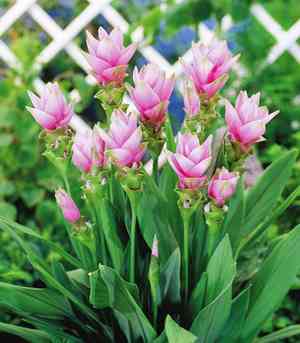
1
An all-purpose feed with a 10-10-10 N-P-K balance is perfect for Siam tulips.
2
Refrain from excessive fertilization, which could lead to nutrient burn on the foliage.
3
For optimal growth, nourish your Siam tulip bi-monthly or monthly throughout the summer season.
Deciphering Siam Tulip's Nutritional Requirements
Essential Nutrients for Siam Tulips
To guarantee your Siam tulip flourishes, supplying the correct nutrients is crucial. These tropical plants thrive with a balanced combination of nitrogen (N), phosphorus (P), and potassium (K). Nitrogen promotes foliage growth, phosphorus supports robust root development and flower production, while potassium enhances overall plant vitality and disease resistance. A 10-10-10 N-P-K blend serves as an excellent general-purpose feed for these plants.
Indicators of Nutrient Deficiency in Siam Tulips
Look for signs indicating your Siam tulip lacks specific nutrients. Typical symptoms include yellowing foliage (often due to nitrogen shortage), diminished blooming, and stunted development. If your plant's leaves exhibit a purplish tint, it might be suffering from a phosphorus deficiency. Potassium depletion can manifest as browning or curling leaf margins. Spotting these symptoms early enables timely adjustments to your feeding routine.
Selecting the Appropriate Fertilizer for Siam Tulip
Fertilizer Varieties Suitable for Siam Tulip
Several fertilizer choices are available for your Siam tulip. Liquid fertilizers facilitate rapid nutrient uptake, whereas slow-release granular options provide consistent nourishment over time. For a straightforward approach, opt for a balanced, water-soluble fertilizer with a 10-10-10 N-P-K ratio. Additionally, specialized bloom-enhancing fertilizers, rich in phosphorus, can be advantageous during the flowering stage.
Organic Versus Synthetic Fertilizers for Siam Tulip
The choice between organic and synthetic fertilizers depends on your gardening objectives. Organic fertilizers, like compost and fish emulsion, enhance soil health and foster beneficial microbes. They release nutrients gradually, minimizing the risk of over-fertilization. Synthetic fertilizers, conversely, offer precise nutrient ratios and rapid outcomes. While both have advantages, integrating them can deliver comprehensive nourishment for your Siam tulip.
Fertilization Steps for Your Siam Tulip
When to Fertilize Siam Tulip
The best period to fertilize your Siam tulip is during its active growth phase, typically in summer. Begin feeding your plant in early summer and continue every 4-6 weeks. This schedule supports vigorous growth and abundant flowering. Refrain from fertilizing in winter, as the plant's growth slows during dormancy, and excess nutrients can accumulate and harm it.
How to Administer Fertilizer to Siam Tulip
Correct fertilizer application ensures your Siam tulip receives maximum benefit. For liquid fertilizers, mix the recommended amount in water and thoroughly moisten the soil around the plant's base. If using a granular slow-release product, sprinkle it evenly around the plant, taking care to avoid direct contact with the stem to prevent fertilizer burn. Always adhere to the manufacturer's directions for optimal results.
Common Fertilization Errors to Avoid with Siam Tulip
Steering clear of common errors can significantly impact your fertilization success. Excessive fertilization can cause nutrient burn, evident as brown or scorched leaf edges. Insufficient feeding, conversely, leads to weak growth and poor blooms. Also, applying fertilizer too close to the plant's stem can cause damage. Always water your plant before and after fertilizing to aid even nutrient distribution and prevent root damage.
Maintaining Siam Tulip Health Post-Fertilization
Post-Fertilization Monitoring of Siam Tulip
After fertilizing your Siam tulip, continuous observation is vital. Watch the plant for any alterations in growth patterns, leaf color, and overall vigor. Yellowing leaves or stunted growth might indicate a need to modify your feeding regimen. Regularly check soil moisture levels, as adequate hydration is crucial for optimal nutrient uptake. Ensuring proper watering helps your plant fully utilize the provided nutrients.
Adapting Fertilization Schedule Based on Plant Response
Pay close attention to how your Siam tulip reacts to fertilization. If you observe robust growth and prolific blooming, your current feeding schedule is likely effective. However, if the plant displays signs of stress or poor health, it may require an adjustment to its feeding routine. Modify the frequency and type of fertilizer based on observed requirements, and don't hesitate to experiment with organic options if synthetic ones seem too harsh.



