Optimal Fertilizer for Growing Beet: What You Need to Know
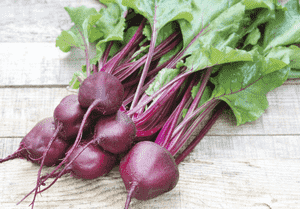
1
Beet plants flourish most effectively with steady, moderate nutrient provision.
2
Refrain from using fertilizers rich in nitrogen to deter overly lush foliage development.
3
The most suitable periods for supplying nutrients to Beet plants are during the spring and summer months.
Deciphering Fertilizer Requirements for Beet Crops
The Imperative of Fertilizing Beet Plants
Supplying nutrients to Beet plants is crucial for achieving sturdy development and peak yields. This process delivers vital nutrients that the soil might lack, supporting key functions like energy synthesis, cell creation, and overall plant vitality. Without adequate nutrient provision, Beet plants may fail to reach their full potential, resulting in smaller and potentially less flavorful roots.
Key Nutrients Essential for Beet Development
The main nutrients needed by Beet plants are nitrogen (N), phosphorus (P), and potassium (K), collectively known as NPK. Nitrogen is essential for foliage growth, phosphorus is critical for root formation, and potassium boosts general plant health and disease resistance. Beet plants also benefit from secondary nutrients such as calcium, magnesium, and sulfur, alongside trace elements like iron, manganese, and zinc.
Impacts of Nutritional Deficiencies on Beets
Nutrient shortages in Beet plants can show up in diverse ways. For instance, insufficient nitrogen might cause yellowing leaves and stunted growth, while a lack of phosphorus can lead to poor root development and a purplish tint to foliage. A potassium deficit often results in browning or scorching along leaf edges. Early identification of these signs and corresponding fertilization adjustments can prevent lasting harm.
Selecting the Appropriate Fertilizer for Beets
Fertilizer Varieties Suitable for Beet Crops
Several types of fertilizers are appropriate for Beet plants, including balanced, nitrogen-rich, and phosphorus-heavy formulations. Balanced fertilizers with an NPK ratio of 10-10-10 or 14-14-14 are effective for general application. However, a higher phosphorus content, such as 5-10-10, can stimulate superior root growth, which is critical for beets. Always review product labels to ensure the fertilizer aligns with your Beet plants' developmental requirements.
Organic Versus Synthetic Fertilizers for Beets
When deciding between organic and synthetic fertilizers, weigh the pros and cons of each. Organic fertilizers, like compost or manure, are eco-friendly and enhance soil structure, though their nutrient release might be slower. Synthetic fertilizers offer an immediate nutrient boost and precise ratios but can sometimes contribute to soil degradation over time. A combination of both types can provide a well-rounded strategy.
Optimal Practices in Fertilizer Application
For best outcomes, spread fertilizer uniformly around the base of Beet plants, taking care to avoid direct contact with stems to prevent burning. Watering after application helps dissolve and distribute nutrients. It's also wise to conduct a soil test prior to fertilizing to identify any existing nutrient imbalances. Applying a layer of mulch can help maintain moisture and further aid nutrient absorption.
Fertilization Frequency for Beet Plants
Fertilizing Through Various Growth Phases
Fertilization needs differ across the growth stages of Beet plants. During the seedling phase, a light application of a balanced fertilizer supports initial development. As plants mature, increased phosphorus promotes root development, while a moderate amount of potassium sustains overall health. Throughout the bulking phase, consistent fertilization ensures beets grow large and sweet. Avoid high nitrogen levels during this period to prevent excessive leaf growth at the expense of root formation.
Seasonal Considerations for Beet Fertilization
Spring and Summer are the best times to fertilize Beet plants. Early Spring fertilization guarantees plants receive essential nutrients as they break dormancy and begin vigorous growth. A subsequent application in early Summer supports the plant during its peak growing season. Refrain from fertilizing in late Summer and Fall, as this can disrupt the natural maturation process and potentially reduce the quality of harvested beets.
Common Fertilization Errors for Beets and Prevention
Risks of Excessive Fertilization
Over-fertilization can be just as harmful as under-fertilization. Too much fertilizer, especially nitrogen, can result in lush foliage but poor root development, leading to small or misshapen Beets. It can also cause nutrient runoff, harming the environment. To prevent over-fertilization, stick to recommended dosages and consider dividing the total amount into smaller, more frequent applications rather than a single large one.
Incorrect Timing and Application Methods
Applying fertilizer at the wrong time or improperly can reduce its effectiveness. Fertilizing during heavy rainfall can cause nutrient runoff, while applying too close to the plant's stem may lead to fertilizer burn. Instead, fertilize during calm weather and distribute it evenly around the plants, gently incorporating it into the topsoil when possible. Choose early morning or late afternoon for fertilization to minimize evaporation and maximize nutrient uptake.
Advice for Monitoring Beet Health Post-Fertilization
Regular observation is vital to confirm your Beet plants are benefiting from the fertilizer. Look for indications of nutrient deficiency or excess, such as discolored leaves, unusually slow growth, or foliage damage. Periodic soil testing can help refine your fertilization strategy. Maintain a garden log to record fertilization dates and plant responses, aiding in the improvement of your approach for future growing seasons.



