Optimal Fertilizer for Growing Painted-leaf begonia: What You Need to Know
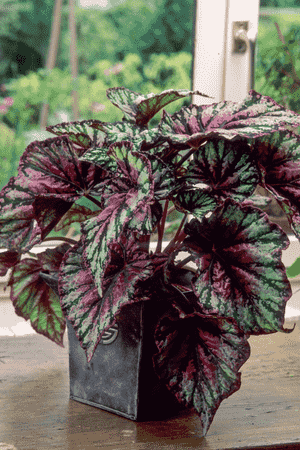
1
The painted-leaf begonia flourishes with regular but moderate feeding throughout its active growth period.
2
Applying a balanced, liquid plant food bi-weekly in the summer months will encourage lush leaves.
3
Refrain from excessive fertilization, as this can result in nutrient toxicity and possible harm to the roots.
Understanding Fertilizer Needs of Painted-leaf begonia
The Importance of Proper Nutrition
Adequate nourishment is vital for the overall well-being and striking appearance of your Painted-leaf begonia. This magnificent plant is prized for its spectacular, colorful leaves that can be a focal point in any home or garden. Just like all living organisms, Painted-leaf begonia demands specific nutrients to flourish. These plants primarily require nitrogen, phosphorus, and potassium, commonly known as N-P-K, to support their development, root strength, and general vitality. Without sufficient nutrients, the plant may exhibit signs of stress, stunted growth, and diminished foliage brilliance.
Signs Your Painted-leaf begonia Needs Fertilizer
Identifying when your Painted-leaf begonia requires fertilization can help you maintain its health and allure. Typical indications that your plant may be undernourished include yellowing leaves, slowed growth, and an absence of new leaf formation. The vibrant hues of the leaves might also become dull and lifeless. If you observe these symptoms, it's a strong signal that your plant could benefit from a nutrient boost.
Choosing the Right Fertilizer for Painted-leaf begonia
Types of Fertilizers: Pros and Cons
When it comes to feeding Painted-leaf begonia, selecting the appropriate fertilizer type is crucial. Various options are available, each presenting its own advantages and drawbacks. Granular fertilizers offer sustained nutrient release but can be tricky to dose accurately for potted plants. Conversely, liquid fertilizers are easy to apply and rapidly absorbed but require more frequent application. Slow-release fertilizers provide a consistent supply of nutrients over time but may be more expensive. Water-soluble fertilizers are a popular choice for indoor plants as they allow precise control over nutrient delivery and are simple to use.
Organic vs. Synthetic Fertilizers
Both natural and chemical fertilizers can be effective for Painted-leaf begonia, but they possess distinct characteristics. Organic fertilizers, such as compost or fish emulsion, originate from natural sources and enhance soil health long-term. They release nutrients gradually and are less likely to cause nutrient burn. Synthetic fertilizers, on the other hand, are chemically formulated to deliver specific nutrient ratios. They provide rapid results and precise control over nutrient management. However, they might contribute to soil degradation over time if used exclusively.
How to Fertilize Painted-leaf begonia
Step-by-Step Guide to Fertilizing
Nourishing your Painted-leaf begonia involves a few straightforward steps to ensure optimal development. First, select a balanced, water-soluble fertilizer with equal proportions of nitrogen, phosphorus, and potassium. Dilute the fertilizer to half-strength by blending it with water according to the package directions. Thoroughly water the soil before applying the fertilizer solution to prevent root damage. Pour the diluted fertilizer around the plant's base, avoiding direct contact with the leaves. Repeat this procedure bi-weekly during the active growing period, typically from late spring to early autumn.
Best Times to Fertilize for Optimal Growth
The ideal time to fertilize Painted-leaf begonia is during its peak growing season, which occurs in the summer. Fertilizing during this period supports robust growth and vivid foliage. Starting in late spring, begin applying fertilizer every two weeks and continue until early autumn. During the colder months, decrease or halt fertilization entirely, as the plant's growth slows and it needs fewer nutrients. Ensuring you fertilize at the correct times maximizes the benefits and promotes a lush, healthy plant.
Common Mistakes to Avoid When Fertilizing Painted-leaf begonia
Over-Fertilization and Its Effects
Excessive fertilization is a frequent error that can have damaging impacts on your Painted-leaf begonia. Too many nutrients can lead to nutrient burn, evidenced by seared leaf edges and tips. It can also cause root harm and impede the plant's capacity to absorb water and nutrients effectively. To prevent over-fertilization, always adhere to the recommended dosage on the fertilizer packaging and dilute it to half-strength for indoor plants. It's better to under-fertilize than to over-fertilize, as you can always add more nutrients if necessary.
Choosing the Wrong Type of Fertilizer
Selecting the incorrect fertilizer type can hinder the development and health of your Painted-leaf begonia. Utilizing a fertilizer with an unbalanced nutrient ratio or one intended for a different plant species may lead to poor growth and nutrient deficiencies. For instance, a fertilizer with too much nitrogen can encourage excessive leaf development at the expense of root growth. Always opt for a balanced fertilizer with equal parts N-P-K or one specifically formulated for ornamental foliage plants. Reading and following the fertilizer guidelines ensures your Painted-leaf begonia receives the appropriate nutrients to thrive.



