Optimal Fertilizer for Growing Cast-iron plant: What You Need to Know
1
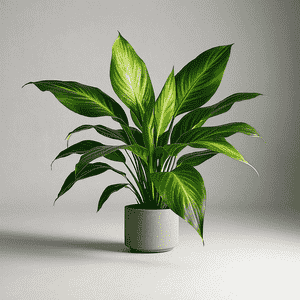
The Cast-iron plant demonstrates remarkable hardiness and thrives even in dim conditions, ideal for interior settings.
2
Always apply fertilizer to your Cast-iron plant during Spring for peak development and vitality.
3
Opt for either slow-releasing or all-purpose fertilizers to supply a steady stream of nourishment over an extended period.
Deciphering the Nutritional Requirements of Aspidistra elatior
Fundamental Nutrient Needs
Your Aspidistra elatior thrives with minimal attention, but proper nutrient provision can boost its development and overall vitality. These resilient plants typically need a balanced regimen, including essential elements such as nitrogen (N), phosphorus (P), and potassium (K). Nitrogen promotes lush, verdant foliage, phosphorus aids root expansion, and potassium contributes to the plant's overall strength. Supplying these nutrients will keep your plant lively and sturdy.
Indicators of Nutritional Deficiencies
Even though Aspidistra elatior are low-maintenance, they can show signs of lacking nutrients. Discolored leaves, stunted development, or faded, drooping foliage all signal that your plant is missing vital elements. If you observe these symptoms, it's time to assess your feeding routine and make necessary modifications.
Selecting the Appropriate Plant Food for Your Cast-iron Plant
Fertilizer Varieties: Advantages and Disadvantages
When it comes to selecting plant foods, you have several choices to consider:Liquid Plant Foods: Simple to administer and rapidly assimilated, but they demand more frequent applications.Granular Plant Foods: They provide a slow release of nutrients, making them more convenient but potentially harder to measure precisely.Organic Plant Foods: Deliver a natural source of nourishment and improve soil quality, though they can be pricier and decompose more slowly.
Proper Fertilizer Application Techniques
When applying plant food, it's crucial to adhere strictly to the producer's directions. For liquid varieties, dilute with water according to the suggested ratio. For granular types, evenly scatter the granules over the soil surface and irrigate thoroughly. Be sure not to apply plant food directly to the leaves, as this can cause damage. It's always better to use too little fertilizer than too much.
Ideal Feeding Schedule for Aspidistra elatior
Feeding Frequency Throughout the Year
The Aspidistra elatior greatly benefits from a well-timed feeding schedule. The best time to begin feeding is in the Spring, as this stimulates new growth following the dormant winter months. Continue to feed every 4-6 weeks during the active growing season until early Autumn. In Winter, the plant's growth diminishes, and additional plant food is not required.
Adjusting Feeding Based on Plant Vigor and Season
Tailor your feeding routine according to the plant's health and seasonal shifts. If your plant appears robust and vibrant, you might not need to feed as often. Conversely, if it displays signs of nutrient deficiency, you may need to increase the application frequency or switch to a more potent plant food. Remember, healthier plants absorb nutrients more efficiently, so always pay close attention to their requirements.
Common Errors in Feeding Aspidistra elatior
Symptoms and Solutions for Over-Fertilization
Applying too much fertilizer is a frequent error that can harm your Aspidistra elatior. Symptoms include yellowing or browning leaf margins, wilting, and diminished growth. If you suspect over-fertilization, rinse the soil with water to remove surplus nutrients and cease further feeding until the plant recovers.
Under-Fertilization: Identifying and Remedying
Insufficient feeding can result in nutrient-deprived plants that show sluggish growth, pale foliage, and a dull appearance. To rectify this, gradually introduce a balanced plant food to prevent shocking the plant. Begin with a diluted solution and increase the concentration over time as the plant responds favorably.



