Optimal Fertilizer for Growing Silver wattle: What You Need to Know
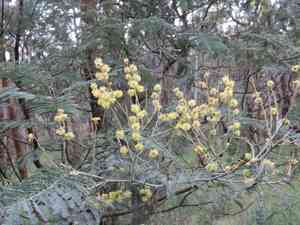
1
Silver wattle flourishes most effectively with spring fertilization, as this period is ideal for development and nutrient uptake.
2
A 10-10-10 NPK (nitrogen, phosphorus, potassium) fertilizer, balanced in composition, is typically appropriate for Silver wattle, though adhering to precise instructions is key for optimal outcomes.
3
Excessive fertilization can be detrimental, thus it's vital to observe your Silver wattle for indications of nutrient excess, like foliage discoloration or inhibited development.
Understanding the Nutritional Requirements of Silver Wattle
Key Nutrients for Silver Wattle
The Silver Wattle, with its attractive feathery leaves and robust nature, needs a balanced intake of nutrients to thrive. The main elements required are nitrogen (N), phosphorus (P), and potassium (K), commonly known as NPK. Nitrogen boosts leaf development, phosphorus aids root growth and blooming, and potassium enhances overall plant strength and disease resistance. Additionally, trace elements like iron, manganese, and magnesium are vital for maintaining the plant's health.
Indicators of Nutrient Shortages
Identifying nutrient deficiencies early can prevent lasting harm to your Silver Wattle. Common indicators include yellowing leaves, often suggesting a nitrogen deficit, or poor flower production, which may signal insufficient phosphorus. Stunted development and brittle foliage could point to a potassium shortage. Regularly check your plant for these signs to enable prompt corrective actions.
Selecting the Appropriate Fertilizer for Silver Wattle
Fertilizer Varieties Suitable for Silver Wattle
Choosing the correct fertilizer is essential for your Silver Wattle's well-being. A balanced general-purpose fertilizer, such as a 10-10-10 NPK mix, is usually effective. Alternatively, slow-release granular fertilizers can supply a steady stream of nutrients over time, supporting continuous growth. Depending on your soil's condition, specific formulations might be necessary to correct particular deficiencies.
Organic Versus Synthetic Fertilizers
Both organic and synthetic fertilizers have advantages and disadvantages. Organic fertilizers, like compost and manure, improve soil structure and introduce beneficial microbes. They release nutrients gradually, minimizing the risk of over-fertilization. However, their nutrient content can vary. Synthetic fertilizers, conversely, offer precise nutrient ratios and act quickly, though they might contribute to soil degradation over time. Your gardening philosophy may lead you to choose one, or even a combination.
Optimal Practices for Fertilizing Silver Wattle
When to Fertilize Silver Wattle
Spring is the best time to fertilize your Silver Wattle. The plant emerges from its winter rest, and providing nutrients then encourages vigorous growth. Fertilizing in early spring ensures nutrients are readily available during the plant's active growth phase. If needed, a light follow-up application can be done in mid to late summer, but avoid fertilizing in fall or winter to prevent stimulating growth that could be damaged by frost.
How to Apply Fertilizer
Correct fertilizer application is crucial. For granular types, spread the fertilizer evenly around the plant's base, avoiding direct contact with the trunk. Water the area thoroughly afterward to help nutrients penetrate the soil. Liquid fertilizers should be diluted as per package directions and applied directly to the soil around the plant. Be careful not to over-fertilize â it's better to apply less and more often if necessary, following product instructions closely.
Monitoring Silver Wattle Post-Fertilization
Observing Growth and Health Changes
After fertilizing your Silver Wattle, observe its reaction over the subsequent weeks. Healthy new growth, vibrant leaves, and increased blooming indicate the plant is benefiting from the added nutrients. Conversely, watch for negative effects such as leaf burn, yellowing, or lack of growth, which might suggest over-fertilization or a nutrient imbalance.
Adjusting Fertilization Methods
Based on your observations, you might need to modify your fertilization routine. If the plant shows signs of over-fertilization, such as scorched leaves or nutrient runoff, reduce the fertilizer amount and increase watering to help flush excess nutrients from the soil. If nutrient deficiencies persist, consider a soil test to refine your fertilization strategy more accurately. Remember, the aim is to provide balanced nutrition that supports sustainable growth without causing harm.



