Feng Shui for Isu tree
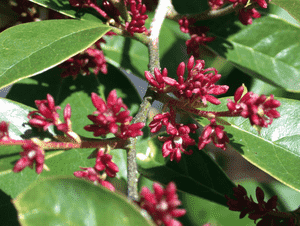
The isu tree holds significant positive regard in Feng Shui due to its robust and enduring characteristics. It is perfectly suited for the Eastern quadrant, a primary orientation linked to kinship and well-being. The plant's persistent vigor typically strengthens and balances these areas. However, it's crucial to recall that Feng Shui principles are intricate and individual-specific; not every arrangement is universally appropriate.
How Does Isu Tree Influence Energies in Your Life?
Growth, Vitality
Stemming from its wood element, isu tree signifies development and vigor, as wood symbolizes life force and expansion in Feng Shui. Its ongoing growth embodies the resilience and resolve inherent in life's path.
Awakening, Transformation
Isu tree's Qi, Zhen, is frequently linked with awakening and change. This suggests a capacity to initiate new beginnings or shifts in one's existence, fostering personal advancement and inspiring a revitalization of stagnant energies.
What Makes Isu Tree An Auspicious Choice In Feng Shui?
Growth
The isu tree promotes individual development by drawing in Zhen Qi, stimulating intellectual and spiritual personal growth.
Harmony
Isu tree, with its 'Wood' element, can stabilize the energy in your area, fostering a balanced and tranquil atmosphere.
Prosperity
Employ the isu tree to boost affluence as it aids in attracting advantageous energies that manifest as financial prosperity.
What Maintenance Tips Should Be Considered for Isu Tree?
Balancing
An excessive number of isu tree can lead to an overwhelming 'Wood' energy, causing imbalance. Avoid overdoing it; maintain moderation.
Location
The placement of isu tree should be chosen with care, ideally in the east, to encourage positive energy and prevent Qi stagnation.
Care
Neglecting the isu tree can attract negative Qi. It's crucial to keep it thriving to consistently enjoy its advantages.
Where to Position Isu Tree for Feng Shui?
Where to Position Isu Tree for Feng Shui?
The isu tree is regarded as highly fortunate in Feng Shui, owing to its robust, enduring character. It is perfectly suited for the East, a primary direction linked with family and well-being. The plant's lasting vigor tends to enhance and balance these aspects. However, remember that Feng Shui principles are intricate and individual, so not every placement suits everyone.



