Feng Shui for Dendrobium Noble
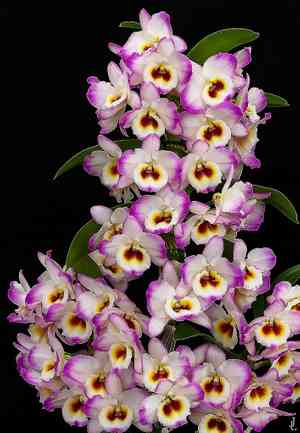
The Dendrobium Noble exhibits a beneficial compatibility with northern-facing settings. As a species that thrives in cooler temperatures, it harmonizes with the water element, which Feng Shui links to the North. Nevertheless, various perspectives exist, so its positioning should align with one's individual energetic currents.
How Does Dendrobium Noble Influence Energies in Your Life?
Harmony, Serenity
As a water element, dendrobium Noble represents balance and peace. It signifies a peaceful relationship with its surroundings and fosters a feeling of calm and quiet in the area.
Deep Knowledge, Insight
The 'Kan' Qi is linked to wisdom and self-reflection. It implies that dendrobium Noble, with its Kan Qi, might encourage profound understanding and perception, aiding in intuitive comprehension and intellectual development.
What Makes Dendrobium Noble An Auspicious Choice In Feng Shui?
Balancing Energy
The dendrobium Noble corresponds with the water element, symbolizing energy flow and assisting in harmonizing the surrounding Qi within your space.
Career Boost
Since Kan signifies one's career and life purpose, dendrobium Noble is thought to pave the way for new employment prospects and foster professional advancement.
Spiritual Growth
The dendrobium Noble plant encourages spiritual development and personal betterment, linked to the water element and Kan Qi.
What Maintenance Tips Should Be Considered for Dendrobium Noble?
Placement
Improper positioning of the dendrobium Noble could lead to disrupted equilibrium, potentially impacting prosperity.
Health Risk
Under Kan's influence, dendrobium Noble requires careful attention, or it could potentially negatively affect physical well-being.
Imbalance Qi
Excessive exposure to dendrobium Noble's water element might disturb your Fengshui element balance, leading to unfavorable outcomes.
Where to Position Dendrobium Noble for Feng Shui?
Where to Position Dendrobium Noble for Feng Shui?
The dendrobium Noble shows a beneficial alignment with North-facing settings. As it thrives in cool conditions, it complements the water element, which is associated with the North in Feng Shui. Nevertheless, various interpretations exist, so its placement should align with an individual's personal energy flow.



