The Brazilian watermeal Plant Advantage: Maximizing Home and Office Appeal and Wellness
1
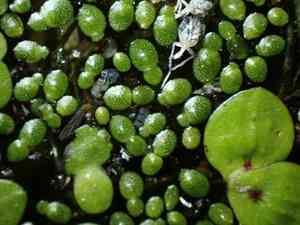
Brazilian watermeal ranks among the globe's most diminutive flowering flora.
2
This botanical specimen excels at nutrient uptake, proving advantageous for water cleansing.
3
Brazilian watermeal offers a superior, protein-dense organic matter.
What Makes Brazilian watermeal Distinctive?
Small Yet Powerful
Brazilian watermeal, frequently overlooked due to its minute dimensions, holds a singular position within the plant kingdom. Despite being among the smallest flowering plants, its capacity to flourish and reproduce in aquatic settings renders it a remarkable species. This plant blankets water surfaces like a verdant covering, playing a vital role in aquatic environments.
Efficient Nutrient Uptake
Brazilian watermeal excels at absorbing nutrients from its surroundings, which presents both advantages and disadvantages in its application. On one hand, it can aid in purifying water bodies by taking up surplus nitrogen and phosphorus, thereby preventing detrimental algal blooms. On the other hand, its rapid proliferation necessitates careful management to prevent it from becoming invasive.
Ecological Advantages of Brazilian watermeal
Water Purification
One of the most significant ecological contributions of Brazilian watermeal is its function in water purification. By absorbing nutrients and pollutants, it helps maintain the ecological equilibrium of water bodies. This makes it an effective natural tool for managing eutrophication and enhancing water quality in lakes, ponds, and reservoirs.
Habitat for Aquatic Organisms
Brazilian watermeal offers a habitat for various aquatic life forms. Its dense mats can provide refuge and breeding grounds for small fish and invertebrates. Additionally, these mats can decrease water evaporation and help maintain stable water temperatures, fostering a healthier aquatic ecosystem.
Potential in Sustainable Methods
Biofuel Production
The high biomass yield and rapid growth rate of Brazilian watermeal make it a promising candidate for biofuel generation. Research indicates that it can be processed into bioethanol, offering a sustainable energy source. This not only assists in reducing reliance on fossil fuels but also contributes to greenhouse gas mitigation.
Animal Feed
Brazilian watermeal is rich in proteins and essential nutrients, making it an excellent supplement for animal feed. Its easy digestibility and high nutritional content are particularly advantageous for livestock, providing a sustainable and cost-effective alternative to traditional feed sources. Incorporating Brazilian watermeal into animal diets can also lessen the environmental impact associated with conventional feed production.
How Can Brazilian watermeal Be Utilized in Agriculture?
Fertilization and Soil Improvement
In agricultural practices, Brazilian watermeal can be employed as a green fertilizer due to its high nutrient content. When integrated into soil, it enriches it with vital nutrients, enhancing soil health and fertility. This, in turn, can boost crop yields and reduce dependence on chemical fertilizers, promoting more sustainable farming methods.
Crop Protection
The dense growth of Brazilian watermeal can function as a natural weed suppressor in rice paddies and other agricultural fields. By covering the water surface, it limits light penetration and prevents weed germination, decreasing the need for herbicides. This not only benefits crop health but also minimizes the chemical footprint in agricultural ecosystems.



