The Water gum Plant Advantage: Maximizing Home and Office Appeal and Wellness
1
The Water gum is a resilient tree, flourishing across diverse soil conditions and weather patterns.
2
Its foliage and bark offer natural shade and boost the visual appeal of outdoor spaces.
3
Water gum contributes significantly to better air quality through pollutant reduction.
How Does Water Gum Enhance Your Garden's Visual Appeal?
Distinctive Appearance
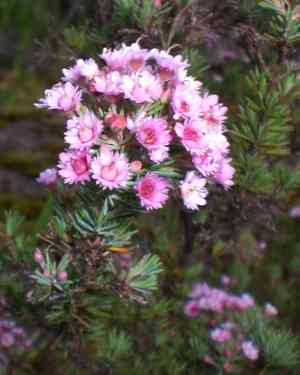
A standout characteristic of Water Gum is its singular aesthetic charm. Featuring lustrous leaves and uniquely peeling bark, this tree can become a captivating focal point in any garden. Its vibrant foliage often displays diverse hues throughout the year, shifting from deep greens to striking grays and browns with the changing seasons.
Natural Shading
The dense canopy of Water Gum offers ample natural shade, making it an excellent addition to gardens requiring relief from direct sunlight. This shade not only creates a cooler environment but also reduces water evaporation from the soil, fostering healthier plant growth nearby.
What Are the Ecological Advantages of Water Gum?
Improving Air Quality
Water Gum plays a crucial role in enhancing air quality. Its leaves are capable of filtering harmful pollutants from the atmosphere, including dust and fine particles. This not only contributes to cleaner air in your garden but also positively impacts broader environmental well-being.
Erosion Prevention
The robust root system of Water Gum is highly effective in preventing soil erosion. By stabilizing the ground, the tree stops the loss of valuable topsoil during heavy rains or strong winds. This makes it particularly beneficial in areas prone to erosion, contributing to landscape stability and soil fertility.
How Does Water Gum Support Local Wildlife?
Habitat Provision
Water Gum provides essential habitat for various local wildlife species. Birds, insects, and small mammals often find refuge within its canopy, contributing to the area's biodiversity. The tree's blossoms also attract pollinators, such as bees and butterflies, fostering a thriving ecosystem.
Food Source
Beyond offering shelter, Water Gum produces small fruits that serve as a food source for wildlife. This not only supports the dietary needs of local fauna but also enriches biodiversity by sustaining species that depend on these fruits for survival.
How Can Water Gum Be Utilized in Landscape Design?
Urban Green Spaces
Water Gum is particularly favored in urban landscaping due to its resilience and relatively low maintenance needs. It can flourish in various soil types and withstand different weather conditions, making it a versatile choice for urban planners aiming to green city areas.
Water Features
Thanks to its ability to tolerate moist soil, Water Gum is also an ideal candidate for water gardens. It can be planted near ponds, streams, or other water features, enhancing the natural beauty and ecological balance of the space. Its presence can create a serene, peaceful environment that is both visually appealing and ecologically beneficial.
How to Care for Water Gum in Your Garden?
Fundamental Care Guidelines
Caring for Water Gum involves some straightforward practices. Consistent watering, especially during dry periods, helps maintain its vitality. Mulching around the base can conserve soil moisture and deter weeds. Pruning, typically performed during its dormant season, helps maintain its form and encourages vigorous growth.
Pest and Disease Management
Water Gum is relatively resistant to pests and diseases, making it a low-maintenance option for gardeners. However, it's crucial to monitor for common issues like aphids or fungal infections. Employing organic pest control methods and ensuring adequate air circulation can help keep these problems in check.



