The Sea clover Plant Advantage: Maximizing Home and Office Appeal and Wellness
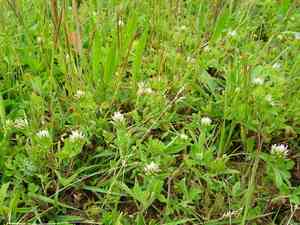
1
Sea clover is recognized for its capacity to improve soil fertility through nitrogen fixation.
2
This seaside flora demonstrates strong hardiness, flourishing in salty ground.
3
Advantageous for beneficial insects, Sea clover draws in bees and promotes ecological variety.
What Makes Sea clover Unique?
Ecological Contributions
A key characteristic of Sea clover is its impressive capacity for nitrogen fixation. As a leguminous plant, it forms a mutualistic relationship with nitrogen-fixing bacteria within its root nodules. This process converts atmospheric nitrogen into a usable form for plants, ultimately enriching the soil. This natural fertilization method decreases the need for chemical fertilizers and fosters a healthier ecosystem.
Durability in Harsh Environments
Another notable attribute of Sea clover is its ability to flourish in saline and coastal soils where few other plants can thrive. This resilience enables it to stabilize soil and prevent erosion, making it an excellent choice for coastal restoration projects. Its deep root system anchors the soil, lessening the impact of strong coastal winds and waves.
How Can Sea clover Benefit Your Garden?
Natural Fertilizer and Soil Conditioner
Incorporating Sea clover into your garden can significantly boost soil fertility. By fixing nitrogen, it organically improves soil quality, making it richer and more supportive of plant growth. Gardeners can utilize it as a green manure, tilling it back into the soil to enhance nutrient levels and soil structure without relying on artificial inputs.
Attracting Beneficial Insects
Sea clover is a magnet for pollinators, especially bees, which are vital for the pollination of many crops. By planting Sea clover, you can create a more vibrant garden ecosystem, supporting not only your plants but also local biodiversity. The flowers of Sea clover provide nectar and pollen, making it a valuable food source for these insects.
Why Should Farmers Consider Sea clover?
Crop Rotation and Soil Health
Farmers can gain substantial advantages by including Sea clover in their crop rotation strategies. It disrupts pest and disease cycles, reduces soil erosion, and enhances soil fertility. By alternating Sea clover with other crops, farmers can maintain soil health and productivity over extended periods, thereby achieving sustainable agricultural practices.
Animal Fodder
Sea clover is also an excellent forage plant for livestock. Its high protein content and palatability make it a nutritious option for feeding animals. Integrating Sea clover into pasturelands can improve the dietary quality of grazing animals, leading to better livestock health and productivity.
How Does Sea clover Contribute to Environmental Conservation?
Supporting Biodiversity
Sea clover plays a vital role in supporting local biodiversity. By attracting a variety of pollinators and serving as a host plant for certain insects, it helps maintain ecological balance. Its presence in natural landscapes can aid in the preservation of native species.
Mitigating Climate Change
The nitrogen-fixing capability of Sea clover not only benefits soil health but also contributes to climate change mitigation. By reducing the need for synthetic nitrogen fertilizers, which are energy-intensive to produce, Sea clover helps lower greenhouse gas emissions associated with agricultural practices. Additionally, its robust growth can sequester carbon, further contributing to carbon dioxide reduction in the atmosphere.



