The Lesser suckling clover Plant Advantage: Maximizing Home and Office Appeal and Wellness
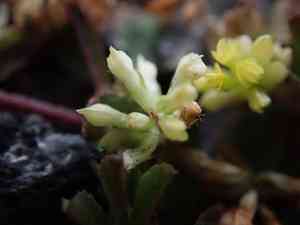
1
Lesser suckling clover naturally enriches soil with nitrogen, enhancing its fertility.
2
This flora draws in pollinators, thereby increasing biodiversity.
3
It requires minimal care and flourishes across diverse environmental conditions.
How Does Lesser suckling clover Enhance Soil Quality?
Natural Nitrogen Fixation
A key advantage of Lesser suckling clover is its capacity for natural nitrogen fixation. This process transforms atmospheric nitrogen into a form plants can absorb and utilize for growth. Consequently, Lesser suckling clover enriches the soil with vital nutrients, lessening the need for artificial fertilizers. This results in healthier plants and promotes sustainable gardening practices.
Soil Structure Improvement
Beyond nitrogen fixation, Lesser suckling clover significantly improves soil structure. The plant's root system helps aerate the soil, boosting its permeability. This facilitates better water penetration and root growth, ultimately creating a more robust and resilient soil environment. Enhanced soil structure also aids in preventing erosion, making your garden more sustainable.
What Role Does Lesser suckling clover Play in Fostering Biodiversity?
Attracting Pollinators
Pollinators are vital for a flourishing garden, and Lesser suckling clover excels at drawing them in. Bees, butterflies, and other beneficial insects are attracted to its blossoms, ensuring your plants receive the necessary pollination. This not only leads to improved fruit and seed production but also supports the wider ecosystem, promoting biodiversity within your garden and beyond.
Supporting Wildlife
In addition to attracting pollinators, Lesser suckling clover offers habitat and sustenance for various other wildlife. Birds and small mammals frequently use the plant for shelter and foraging, contributing to a balanced and vibrant ecosystem. By incorporating Lesser suckling clover into your garden, you establish a haven for wildlife, enhancing the natural diversity of your surroundings.
Why is Lesser suckling clover Ideal for Low-Maintenance Gardening?
Drought Tolerance
Lesser suckling clover is known for its hardiness, especially its ability to endure drought conditions. This makes it an excellent choice for gardeners aiming for a low-maintenance green space. The plant's deep root system allows it to access water from deeper soil layers, ensuring it stays healthy even during dry periods. This trait not only conserves water but also reduces the need for frequent irrigation.
Minimal Pest and Disease Issues
Another reason Lesser suckling clover is perfect for low-maintenance gardening is its inherent resistance to pests and diseases. The plant's robust health and adaptive capabilities mean it can thrive without constant monitoring or intervention. This translates to less time and effort spent on pest control and more time enjoying a thriving garden.
How Can Lesser suckling clover Be Utilized in Landscape Design?
Ground Cover
Lesser suckling clover serves as an excellent ground cover, providing a lush, green carpet that can enhance your garden's visual appeal. Its low-growing habit and dense foliage make it perfect for filling in spaces between taller plants or covering large areas that might otherwise be bare. This not only improves aesthetics but also helps suppress weeds, keeping your garden neat with minimal effort.
Border Planting
Besides ground cover, Lesser suckling clover can be effectively used for border planting. Its compact and attractive appearance makes it suitable for edging pathways, flower beds, or garden borders. By using Lesser suckling clover in this manner, you create a cohesive and well-defined garden layout, adding structure and beauty to your outdoor area.



