The Purple heart Plant Advantage: Maximizing Home and Office Appeal and Wellness
1
Purple heart is well-known for its capacity to flourish in both interior and exterior settings.
2
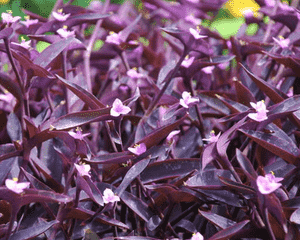
It's recognized for its striking violet leaves that can beautify any garden or indoor area.
3
This plant requires minimal care, making it perfect for novice gardeners.
Benefits of Cultivating Purple Heart
Visual Allure
Purple heart is a striking plant with its deep purple foliage, bringing a burst of color to any environment. Whether potted indoors or planted in a garden, its captivating shade will undoubtedly attract attention. Its cascading stems are perfect for hanging containers or as ground cover.
Simple to Grow and Maintain
Purple heart is a resilient plant that flourishes in diverse conditions, making it suitable for both novice and seasoned gardeners. It demands minimal upkeepâjust occasional watering and indirect light. Its hardiness also means it's less susceptible to pests, ensuring a low-maintenance addition to your plant collection.
Practical Advantages of Purple Heart
Air Purification Capabilities
A compelling reason to cultivate Purple heart is its capacity to cleanse indoor air. This plant can eliminate toxins such as formaldehyde and VOCs (volatile organic compounds), enhancing the overall air quality in your residence. This is particularly advantageous for individuals suffering from allergies or respiratory conditions.
Erosion Control for Soil
In outdoor settings, Purple heart aids in preventing soil erosion. Its extensive root system anchors the soil, reducing the risk of displacement during heavy rainfall or strong winds. This makes it an excellent option for sloped areas or locations prone to soil loss.
Integrating Purple Heart into Your Space
As an Indoor Specimen
Purple heart can thrive indoors with minimal attention, making it an excellent choice for introducing a touch of nature to your living area. Position it in a spot that receives indirect sunlight and water it sparingly. Its trailing stems can also be trimmed to maintain its form and encourage denser growth.
In Garden Designs
For outdoor use, Purple heart can be planted in garden beds, along borders, or in hanging baskets. Its ability to spread and cover ground efficiently makes it an ideal selection for adding texture and color to your landscape. Just ensure it receives some shade during the hottest part of the day to preserve its vibrant hue.
Common Issues and Solutions
Preventing Root Decay
A frequent problem with Purple heart is root rot, often caused by excessive watering. To avoid this, ensure the plant's soil drains well and prevent it from sitting in waterlogged conditions. Water only when the top inch of the soil feels dry to the touch.
Pest Management Strategies
Purple heart is relatively resistant to pests, but occasional infestations can occur. If you observe aphids or spider mites, treat the plant with a gentle insecticidal soap or a homemade mixture of water and dish soap. Regularly inspect the leaves and stems to detect any problems early.
Seasonal Care Advice for Purple Heart
Summer Maintenance
During the warmer months, ensure Purple heart receives sufficient water to cope with elevated temperatures. While it can tolerate some direct sunlight, too much can scorch the leaves, so provide partial shade if necessary.
Winter Maintenance
In colder months, Purple heart requires less water. Reduce irrigation to prevent the roots from becoming waterlogged. If grown outdoors, consider bringing it inside or applying a protective layer of mulch to shield it from frost.



