The Mexican sunflower Plant Advantage: Maximizing Home and Office Appeal and Wellness
1
Tithonia diversifolia draws in numerous pollinators, such as bees and butterflies.
2
This colorful flora boosts the visual charm of any garden space.
3
Tithonia diversifolia is capable of enhancing soil quality via its organic contributions.
What Are the Visual Advantages of Mexican sunflower?
Vivid Floral Displays
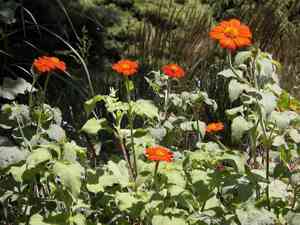
A primary reason to cultivate Mexican sunflower is its exceptional beauty. The plant showcases large, daisy-like blossoms in various orange and red hues, providing a striking visual spectacle from mid-summer through autumn. These bright colors can make any garden appear more vibrant and appealing.
Adaptable Landscape Applications
Mexican sunflower can be incorporated into diverse garden designs, including borders, beds, and even as a solitary focal point. Its stature, which can reach 4 to 6 feet, adds vertical dimension to your garden, creating a fuller, more layered appearance. Whether you're designing a cottage garden or a more formal setting, Mexican sunflower integrates seamlessly.
How Does Mexican sunflower Aid Pollinators?
Attracting Bees and Butterflies
Mexican sunflower acts as a magnet for pollinators such as bees and butterflies. Its bright blooms and abundant nectar offer crucial food sources, transforming your garden into a sanctuary for these beneficial insects. Given the decline in pollinator populations, planting Mexican sunflower is a proactive measure to support biodiversity.
Supporting At-Risk Species
Beyond common pollinators, Mexican sunflower can draw in endangered species like monarch butterflies. These butterflies depend on specific plants for survival, and incorporating Mexican sunflower into your garden can contribute to their preservation. By planting Mexican sunflower, you're not just enhancing your garden's beauty; you're actively participating in environmental stewardship.
What Are the Ecological Contributions of Mexican sunflower?
Enhancing Soil Quality
Mexican sunflower possesses a robust root system that helps aerate the soil, improving its structure and increasing its fertility. As the plant decomposes, it introduces organic matter to the soil, enriching it with nutrients and boosting its water retention capacity. This makes Mexican sunflower a valuable asset for sustainable gardening practices.
Mitigating Erosion
Thanks to its extensive root network, Mexican sunflower can help stabilize the soil and reduce erosion. This is particularly advantageous for gardens located on slopes or in areas prone to heavy rainfall. By anchoring the soil, Mexican sunflower minimizes runoff and safeguards your garden's landscape.
Can Mexican sunflower Be Utilized in Companion Planting?
Benefiting Vegetable Gardens
Mexican sunflower serves as an excellent companion plant for vegetable gardens. Its ability to attract beneficial insects can assist in pollination and pest control for your vegetables. Planting Mexican sunflower near crops like tomatoes and peppers has been shown to improve yields and overall plant vigor.
Complementary with Other Blooms
When cultivated alongside other flowering plants, Mexican sunflower enhances the visual appeal and health of your garden ecosystem. Its vibrant colors create a beautiful contrast with many other plants, resulting in a dynamic and visually stunning garden space. Additionally, Mexican sunflower can help deter pests that might otherwise harm your other flowers.
How to Cultivate and Care for Mexican sunflower?
Planting Recommendations
Mexican sunflower thrives in well-drained soil and a location that receives full sun. Sow seeds directly into the soil after the last frost, spacing them approximately 18 inches apart. Once seedlings emerge, thin them to one plant every 12-18 inches to ensure optimal growth.
Upkeep and Irrigation
Mexican sunflower is relatively low-maintenance but benefits from consistent watering, especially during dry periods. Applying a layer of mulch around the plant's base can help retain moisture and suppress weeds. Removing spent flowers will encourage continuous blooming throughout the growing season.



