The Tree germander Plant Advantage: Maximizing Home and Office Appeal and Wellness
1
Ideal selection for arid-tolerant landscapes.
2
Draws in helpful pollinators such as bees and butterflies.
3
Boasts fragrant leaves, enhancing the sensory experience of your garden.
Why Incorporate Tree Germander into Your Garden?
Elevates Garden Beauty
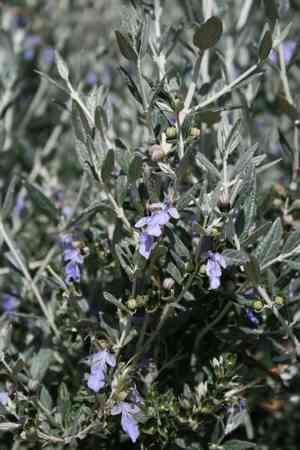
A primary reason to introduce Tree germander to your garden is its capacity to boost visual charm. Its dense, silvery-green leaves offer a striking contrast to the more common green hues of other garden flora. The plant also produces occasional lavender-blue blooms that can create an appealing color scheme, making it a highlight in any landscape plan.
Minimal Upkeep Requirements
Another significant benefit of Tree germander is its undemanding nature. This plant is remarkably resilient, capable of flourishing in poor soil conditions and needing little water once established. This drought-tolerant characteristic makes it an ideal selection for busy gardeners or those pursuing eco-friendly gardening methods. You won't need to worry about frequent watering, which saves both time and resources.
What Are the Ecological Advantages of Tree Germander?
Supports Local Wildlife
Tree germander acts as an attractant for various pollinators, including bees, butterflies, and other beneficial insects. By drawing in these creatures, the plant contributes to the health and sustainability of the local ecosystem. Pollinators are crucial for the fertilization of many other plants in your garden, fostering biodiversity and robust growth.
A Natural Companion Plant
Given its robust nature and aromatic foliage, Tree germander functions as an excellent companion plant. Its strong scent helps deter pests, safeguarding nearby plants from harm. Furthermore, it can aid in reducing the spread of soil-borne diseases, acting as a natural defense for your garden.
How Does Tree Germander Contribute to Sustainable Gardening?
Conserves Water Resources
Due to its drought-resistant qualities, Tree germander is an excellent plant for preserving water resources. In areas where water conservation is vital, this plant can play a significant role by lessening the need for frequent irrigation. This not only helps save water but also reduces the overall maintenance cost of your garden.
Enhances Soil Health
Tree germander is recognized for its strong root system, which can help improve soil structure and prevent erosion. This plant adds organic matter to the soil as it sheds its leaves, enriching the soil and promoting a healthier garden environment. Over time, this can help foster a more sustainable and self-sufficient garden ecosystem.
What Are the Best Practices for Cultivating Tree Germander?
Optimal Planting Conditions
While Tree germander is adaptable, it thrives best in well-draining soil with full sun exposure. Planting it in a location that receives ample sunlight will ensure vigorous growth and vibrant foliage. Surprisingly, it can also tolerate partial shade, though this may result in less abundant flowering.
Pruning and Maintenance Advice
Even though Tree germander is low-maintenance, occasional pruning can help maintain its form and encourage new growth. The ideal time to prune is during late winter or early spring before new growth begins. Regular pruning will not only keep the plant looking tidy but will also promote a denser foliage cover, enhancing its visual appeal.
Integrating Tree Germander into Your Landscape Design
Creating a Central Feature
Tree germander can serve as a striking focal point in your garden. Its distinctive color and texture can attract attention, making it an excellent choice for central planting areas or as a standalone element in minimalist landscape designs. Pairing it with complementary plants can create a balanced and harmonious look.
Incorporating Tree Germander in Mixed Borders
When utilized in mixed borders, Tree germander can provide year-round interest with its evergreen foliage. Its drought-resistant nature makes it an ideal candidate for xeriscaping, and it pairs well with other drought-tolerant plants. The contrast between Tree germander and flowering perennials can create a dynamic and visually appealing garden border.



