The Moss campion Plant Advantage: Maximizing Home and Office Appeal and Wellness
1
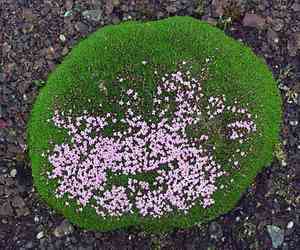
Moss campion is a hardy mountain plant that flourishes in challenging conditions.
2
It creates thick cushions that aid in preventing soil degradation.
3
Moss campion brings a lively accent to stone gardens and high-altitude landscapes.
Why is Moss campion an Excellent Ground Cover?
Durability in Harsh Environments
A key characteristic of Moss campion is its remarkable capacity to flourish in challenging conditions. Hailing from mountainous regions, this resilient plant is well-suited to endure cold temperatures, elevated altitudes, and infertile soil. Its deep root system enables it to access water deep underground, ensuring survival even during dry spells.
Preventing Soil Loss
Moss campion forms dense, carpet-like structures that are vital for stabilizing earth. The plant's extensive root network intertwines with the soil, decreasing the likelihood of erosion on inclines and in areas prone to water runoff. This makes it an outstanding choice for gardeners aiming to preserve soil integrity in difficult landscapes.
How Does Moss campion Improve Garden Beauty?
Vibrant Blooms
Beyond its lush foliage, Moss campion produces a stunning display of pink or purple flowers, which appear in the summer months. These bright blossoms stand out against the green mat of leaves, adding a splash of color to rock gardens, borders, and alpine settings. The visual appeal of its flowers makes Moss campion a favorite among gardening enthusiasts.
Creating a Natural Ground Covering
Due to its mat-forming habit, Moss campion creates a natural carpet that seamlessly covers garden areas. This continuous green layer provides a refined look to any garden, offering a rich, uniform appearance. Its low-growing nature also means it requires minimal upkeep, making it ideal for gardeners seeking an attractive yet easy-to-maintain ground cover.
What Are the Environmental Advantages of Moss campion?
Supporting Biodiversity
Moss campion plays a crucial role in fostering local biodiversity by offering habitat and resources for various insects and small animals. Its flowers attract pollinators like bees and butterflies, which are essential for the health and reproduction of many other plant species. This makes Moss campion not only a garden beauty but also a valuable contributor to the ecosystem.
Minimal Impact on Native Flora
Moss campion is known for its non-aggressive nature, meaning it does not fiercely compete with native plant species for resources. Instead, it coexists harmoniously with other plants, making it an ideal selection for environmentally conscious gardeners. Its ability to blend well without dominating other flora ensures a balanced and diverse garden environment.
Why Select Moss campion for Rock Gardens and Edges?
Perfect for Rock Gardens
Rock gardens and alpine environments often demand plants that can withstand specific conditions such as poor soil, strong winds, and intense sunlight. Moss campion meets these requirements perfectly, demonstrating its toughness and adaptability. Its ability to cling to rocky surfaces and thrive in minimal soil makes it a top choice for such garden styles.
Ideal Border Plant
Moss campion's low-growing characteristic makes it an excellent option for defining boundaries within gardens. It can line pathways, garden beds, and seating areas, adding a neat, organized look while providing the added benefit of soil stabilization. Its attractive foliage and blooms contribute to an aesthetically pleasing garden layout.
How to Grow and Care for Moss campion?
Planting and Soil Needs
To cultivate Moss campion, choose a well-draining soil medium and a location that receives full to partial sun. While Moss campion is relatively low-maintenance, ensuring the soil remains loose and uncompacted will help the plant establish itself more quickly. It is best to plant Moss campion in early spring or fall when temperatures are moderate.
Watering and Upkeep
One of the main benefits of Moss campion is its low water requirement. Water the plant moderately during its initial establishment phase, and then allow natural rainfall to suffice in most conditions. Pruning is generally not needed, but removing dead or spent flowers can encourage more vigorous growth and blooming.



