The Woolly senna Plant Advantage: Maximizing Home and Office Appeal and Wellness
1
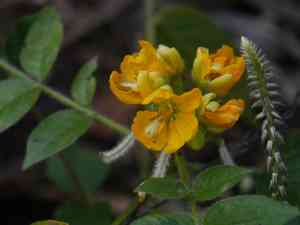
This plant is recognized for its bright yellow blossoms that can illuminate any outdoor space.
2
It contributes to improving soil quality because of its ability to fix nitrogen.
3
This botanical specimen is frequently employed in customary applications for diverse practical uses.
What Defines Woolly Senna?
Appearance and Growth
Woolly senna is recognized by its distinct yellow blooms and fuzzy stems, which give the plant its unique feel and look. It flourishes in warm, humid regions, making it a robust addition to diverse landscapes.
Ecological Role
This plant plays a vital part in enhancing soil quality. As a nitrogen-fixing legume, it helps restore soil nutrients, making it an excellent companion for farming systems.
How Can Woolly Senna Benefit Your Garden?
Enhancing Soil Fertility
Woolly senna improves soil health by naturally adding nitrogen, which is crucial for plant development. Its roots host nitrogen-fixing bacteria that convert atmospheric nitrogen into forms plants can use.
Attracting Pollinators
The bright yellow flowers of Woolly senna are not just visually appealing; they also draw in bees and other pollinators, which are essential for a healthy garden ecosystem.
Is Woolly Senna Useful in Sustainable Agricultural Practices?
Cover Cropping
Woolly senna is an excellent choice for cover cropping. It shields soil from erosion, improves soil structure, and prevents weed growth, making it a valuable plant in sustainable farming systems.
Intercropping Benefits
When used in intercropping, Woolly senna can provide shade and moisture retention for other crops, boosting overall yield and reducing the need for chemical inputs.
What Are the Traditional Uses of Woolly Senna?
Utilitarian Purposes
In various cultures, Woolly senna has been traditionally used for crafting tools, natural dyes, and other household items, showcasing its utility beyond gardening applications.
Cultural Significance
The plant holds cultural importance in some communities, where it is used in ceremonies and cultural practices, highlighting its value beyond its practical advantages.
Are There Any Cautions to Consider When Using Woolly Senna?
Invasive Potential
Woolly senna can be invasive in certain areas, outcompeting native plants and disrupting local ecosystems. It is important to manage its growth responsibly.
Optimal Growing Conditions
To maximize the benefits of Woolly senna, it is best grown in its preferred tropical or subtropical climate. Understanding and replicating these conditions can ensure its health and productivity.



