The Purple pitcher plant Plant Advantage: Maximizing Home and Office Appeal and Wellness
1
The purple pitcher plant is recognized for its distinct capacity to capture and consume insects.
2
This flora is vital for sustaining the environmental equilibrium of its natural environment.
3
Cultivating the purple pitcher plant is quite straightforward, making it appealing to horticulturists.
What Makes Purple pitcher plant Unique?
Insect-Trapping Mechanism
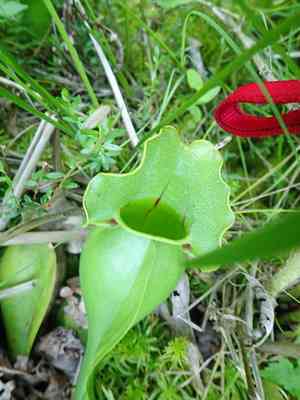
A most captivating feature of the Purple pitcher plant is its capacity to capture and consume insects. This carnivorous characteristic enables the plant to flourish in environments lacking nutrients. Its leaves form a pitcher-like structure that entices insects with nectar. Once inside, the insects struggle to escape due to the plant's slick internal surfaces and downward-pointing hairs. Enzymes then break down the prey, allowing the plant to absorb vital nutrients.
Ecological Role
The Purple pitcher plant plays a crucial part in the ecology of its native environments. By regulating insect populations, it aids in maintaining a balanced ecosystem. This is particularly valuable in regions where other natural predators might be scarce. Furthermore, the plant offers a habitat for various microorganisms that further contribute to the nutrient cycle.
How to Grow Purple pitcher plant In Your Garden?
Ideal Growing Conditions
Purple pitcher plant thrives in acidic, nutrient-deficient soils and requires abundant sunlight to flourish. It is best suited for conditions that mimic its natural boggy habitats. To cultivate Purple pitcher plant in your garden, consider planting it in a container with a blend of sphagnum peat and sand. Ensure the soil remains consistently moist but not waterlogged.
Maintenance Tips
While Purple pitcher plant is relatively simple to cultivate, it does require some attention to maintain its vitality. Regularly check the soil's moisture level and provide distilled or rainwater to prevent mineral accumulation. During colder months, the plant may enter a dormant phase; reduce watering but do not allow the soil to completely dry out. Remove dead pitchers to prevent mold and encourage new growth.
Why is Purple pitcher plant Beneficial to the Ecosystem?
Biodiversity Support
Purple pitcher plant contributes to biodiversity by creating a microhabitat that sustains various life forms. The water-filled pitchers house numerous microorganisms, insects, and even small amphibians. This biodiversity within the pitcher contributes to the broader ecosystem by providing sustenance for other wildlife and aiding in soil health when the organisms decompose.
Natural Pest Control
Another ecological advantage of Purple pitcher plant is its function in natural pest management. By ensnaring and consuming insects, the plant helps to keep pest populations in check. This is particularly beneficial in gardens and agricultural settings, where pest control is often a significant concern. Utilizing Purple pitcher plant in these areas can lessen the need for chemical pesticides, fostering a healthier environment.
Can Purple pitcher plant Enhance Your Garden's Aesthetic?
Unique Visual Appeal
Purple pitcher plant is not only functional but also highly ornamental. The plant's striking pitcher-shaped leaves and vibrant hues add an exotic touch to any garden. Its presence can serve as an eye-catching focal point, attracting attention and sparking curiosity among visitors.
Easy Integration
Purple pitcher plant can be readily incorporated into various garden styles, from traditional flower beds to contemporary landscapes. Its distinctive appearance makes it a versatile addition that complements a wide array of other plants. Whether positioned as a standalone feature or as part of a mixed planting scheme, Purple pitcher plant offers both visual and ecological advantages.



