The Snow plant Plant Advantage: Maximizing Home and Office Appeal and Wellness
1
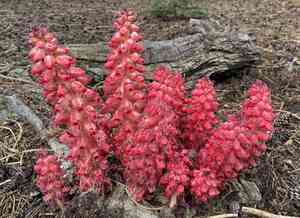
The snow plant flourishes in high-altitude, mountainous areas, rendering it an uncommon and captivating discovery.
2
This plant forms a mutually beneficial association with fungi, which aids its development and persistence.
3
Its vivid crimson hue makes the snow plant visually impressive, drawing in trekkers and nature lovers.
What Makes Snow Plant So Unique?
Peculiar Growth Requirements
A captivating aspect of Snow Plant is its distinct growth conditions. Unlike most flora, Snow Plant doesn't rely on photosynthesis for sustenance. Instead, it extracts nutrients from fungi associated with its roots. This mutualistic relationship enables the plant to flourish in the nutrient-poor soils of high-altitude regions. Such a survival mechanism not only makes Snow Plant intriguing but also highlights its resilience in harsh environments.
Striking Visual Appeal
Snow Plant is easily identifiable by its vibrant red color, which contrasts sharply with the typical green surroundings. This remarkable appearance not only captures the attention of outdoor enthusiasts but also serves an ecological purpose. The bright coloration can attract pollinators, including various insects and animals, thereby aiding its reproductive process. The visual charm of Snow Plant makes it a sought-after subject for nature photography and botanical research.
Ecological Benefits of Snow Plant
Fostering Biodiversity
Snow Plant plays a critical role in its ecosystem by supporting biodiversity through its symbiotic relationship with fungi. These fungi, in turn, form mycorrhizal associations with nearby plants, helping them absorb nutrients more efficiently. This interconnected network of relationships promotes a rich and diverse plant community, which supports various forms of wildlife.
Indicator of Ecosystem Health
The presence of Snow Plant often signifies a healthy and undisturbed ecosystem. Because the plant is sensitive to environmental shifts and soil disturbances, its occurrence can be utilized as a bioindicator to assess the ecological well-being of an area. Conservationists and ecologists monitor Snow Plant populations to gauge the impact of environmental changes and human activities.
How Does Snow Plant Influence Nature Tourism?
Attraction for Hikers and Nature Enthusiasts
The distinctive appearance and rarity of Snow Plant make it a significant draw for hikers, nature lovers, and photographers. Regions known for hosting Snow Plant attract visitors eager to glimpse this rare beauty. Such tourism can boost local economies through increased demand for guided tours, accommodations, and other services.
Educational Opportunities
Naturalists and educators frequently use Snow Plant as a teaching tool to explain complex ecological interactions and plant adaptations. School groups, university researchers, and amateur naturalists can gain valuable insights into symbiotic relationships, ecosystem dynamics, and conservation efforts by studying Snow Plant. This educational aspect further adds to the plant's value beyond its aesthetic and ecological contributions.
Conservation Efforts for Snow Plant
Protecting Natural Habitats
Due to its specialized habitat requirements, the conservation of Snow Plant is closely tied to preserving its natural environment. Efforts to protect subalpine and alpine regions from deforestation, pollution, and human encroachment are vital for the survival of this plant. Organizations and governments often collaborate to implement conservation strategies aimed at safeguarding these sensitive areas.
Raising Awareness
Public awareness campaigns play a crucial role in the conservation of Snow Plant. By educating the public about the plantâs ecological importance and the threats it faces, conservationists can garner support for protective measures. Events like nature walks, educational programs, and social media campaigns help draw attention to the importance of preserving Snow Plant and its habitat.



