The Water spangles Plant Advantage: Maximizing Home and Office Appeal and Wellness
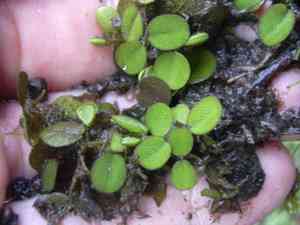
1
Water spangles efficiently takes up surplus nutrients from aquatic environments, enhancing water purity.
2
This flora offers shelter and sustenance for minor aquatic organisms.
3
Water spangles aids in diminishing the proliferation of detrimental algae by obstructing solar rays.
What Makes Water spangles Special?
Environmental Benefits
Water spangles excels at taking up surplus nutrients from aquatic environments, such as nitrogen and phosphorus, which frequently cause detrimental algal blooms. This inherent absorption process helps sustain equilibrium in the water ecosystem, ensuring improved water quality. By lowering nutrient levels, Water spangles also restricts the spread of eutrophicationâa condition that can deplete oxygen in water, rendering it uninhabitable for many aquatic species.
Creating Habitats
Water spangles plays a vital role in establishing and sustaining habitats for diverse aquatic species. The plant's dense foliage offers refuge for small fish, insects, and larvae, shielding them from predators. Furthermore, the plant provides a food source for certain species, contributing to a more biodiverse aquatic environment. By fostering these conditions, Water spangles enhances biodiversity and supports a self-sustaining ecosystem.
How Does Water spangles Support Aquatic Life?
Providing Shelter
One of Water spangles' key functions in aquatic ecosystems is its capacity to offer refuge to small aquatic organisms. As the plant forms thick mats on the water's surface, it creates a shaded microhabitat that protects smaller fish and larvae from predators. This shelter also serves as a breeding ground for insects and amphibians, fostering a healthy and vibrant aquatic community.
Contributing to the Food Web
Water spangles contributes to the aquatic food web in multiple ways. As it grows, it serves as a food source for herbivorous fish and insects. Additionally, when parts of the plant die and decompose, they add organic matter to the water, which becomes a food source for detritivoresâorganisms that consume decaying organic material. This process helps maintain a balanced food web and supports various trophic levels within the ecosystem.
How Does Water spangles Control Algae Growth?
Sunlight Blocking
One effective method Water spangles uses to control harmful algae growth is by obstructing sunlight. The plant forms a dense covering on the water's surface, reducing the amount of sunlight that penetrates the water. Since algae require sunlight for photosynthesis, this blockage helps inhibit their growth and proliferation. Consequently, this leads to clearer water and healthier aquatic environments.
Nutrient Competition
Water spangles competes with algae for essential nutrients like nitrogen and phosphorus. By efficiently absorbing these nutrients, Water spangles deprives algae of the crucial components they need to flourish. This competition further limits algae growth, preventing issues like harmful algal blooms which can be detrimental to aquatic life and human health. In doing so, Water spangles helps maintain a balanced and healthy aquatic ecosystem.
Practical Applications of Water spangles
Natural Water Filtration
Water spangles can be utilized as a natural water filtration tool in constructed wetlands and water treatment facilities. By incorporating Water spangles into these systems, excess nutrients and pollutants can be absorbed efficiently, leading to cleaner water. This method is environmentally friendly and cost-effective, making it an attractive option for water quality management.
Erosion Control
Beyond its water purification benefits, Water spangles can also assist in erosion control. When planted along the edges of water bodies, its root systems stabilize the soil, preventing erosion caused by water flow. This added stability is beneficial for maintaining the integrity of shorelines and reducing sedimentation in water bodies, which can otherwise harm aquatic habitats.



