The Oppositeleaf russian thistle Plant Advantage: Maximizing Home and Office Appeal and Wellness
1
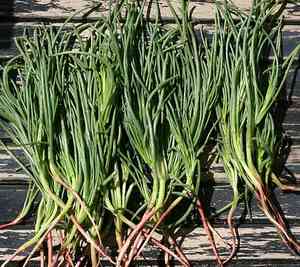
Oppositeleaf russian thistle is a consumable plant possessing a distinct briny flavor.
2
This species is capable of flourishing in high-salt conditions.
3
Oppositeleaf russian thistle offers prospective uses in eco-friendly farming practices.
What Is Oppositeleaf russian thistle and Where Does It Grow?
Origin and Natural Habitat
Oppositeleaf russian thistle originates from the Mediterranean area, flourishing in saline environments like coastal zones and salt marshes. Its capacity to grow in high-salt soils makes it perfect for cultivation in regions with poor soil quality.
Adaptability to Different Climates
Oppositeleaf russian thistle can adjust to various climatic conditions, from moderate to arid zones. This flexibility enhances its value as a robust crop capable of enduring environmental pressures.
Nutritional Benefits of Oppositeleaf russian thistle
Rich in Essential Nutrients
Oppositeleaf russian thistle is packed with vital nutrients, including vitamins A, C, and K, as well as minerals such as calcium, magnesium, and potassium. These nutrients are crucial for maintaining overall health and wellness.
Low Calorie Content
For those aiming to manage their weight, Oppositeleaf russian thistle offers a low-calorie option that doesn't sacrifice taste or nutrition. Its high fiber content also aids digestive health and helps you feel full longer.
Culinary Uses of Oppositeleaf russian thistle
Edible Leaves and Stems
The leaves and stems of Oppositeleaf russian thistle are edible and possess a distinct, salty flavor, making them a popular ingredient in Mediterranean cooking. They can be used in salads, sautés, and as a garnish for various dishes.
Versatile Cooking Applications
Oppositeleaf russian thistle can be prepared in multiple ways, including boiling, steaming, and stir-frying. Its versatility in the kitchen makes it a valuable addition to any home garden or commercial farm.
Environmental Benefits of Growing Oppositeleaf russian thistle
Soil Improvement
One of the notable advantages of Oppositeleaf russian thistle is its ability to enhance soil quality. It can absorb and accumulate salts from the soil, making it less saline and more suitable for other crops.
Water Conservation
Oppositeleaf russian thistle requires less water compared to traditional crops, making it an excellent choice for water-scarce regions. Its deep root system also aids in retaining soil moisture and preventing erosion.
Applications in Sustainable Agriculture
Bioremediation Potential
Oppositeleaf russian thistle has shown promise in bioremediation, the process of using plants to cleanse contaminated soils. Its ability to tolerate and accumulate heavy metals makes it a valuable tool for restoring polluted environments.
Crop Rotation and Diversification
Incorporating Oppositeleaf russian thistle into crop rotation systems can help diversify farming practices and reduce the risk of soil depletion. Its resilience against pests and diseases also minimizes the need for chemical pesticides.
How to Cultivate Oppositeleaf russian thistle in Your Garden
Ideal Growing Conditions
To cultivate Oppositeleaf russian thistle successfully, ensure it is planted in well-drained soil with ample sun exposure. It can tolerate poor soil conditions but thrives best in slightly alkaline soil.
Maintenance and Harvesting
Once established, Oppositeleaf russian thistle requires minimal upkeep. Regular watering during dry periods and occasional weeding are usually sufficient. Harvesting can be done by cutting the young shoots, which encourages new growth.



