The Wisconsin weeping willow Plant Advantage: Maximizing Home and Office Appeal and Wellness
1
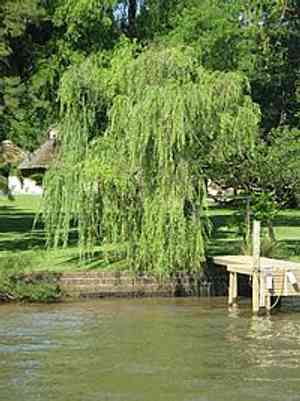
This tree offers extensive shade and enhances the visual attractiveness of outdoor spaces.
2
Its root structure aids in firming up soil and averting soil loss.
3
It serves as a natural dwelling for diverse bird and insect species, fostering ecological variety.
What Are the Key Environmental Advantages of the Wisconsin Weeping Willow?
Soil Erosion Control
A significant advantage of the Wisconsin weeping willow is its capacity to prevent soil erosion. Its extensive and deep root system helps to anchor the soil, substantially decreasing erosion. This makes it an excellent option for planting along riverbanks and sloped areas where soil degradation is a major concern. By stabilizing the ground, this tree plays a vital role in preserving the landscape's integrity.
Water Purification
Beyond its role in preventing soil erosion, the Wisconsin weeping willow also aids in water purification. The tree's roots can absorb and filter contaminants from water, enhancing water quality in the surrounding environment. This natural filtration mechanism is particularly beneficial in urban settings where water pollution is a considerable issue. By planting Wisconsin weeping willow near water bodies, communities can utilize its inherent ability to cleanse water, contributing to the preservation of a crucial resource.
How Does the Wisconsin Weeping Willow Boost Biodiversity?
Wildlife Sanctuary
The Wisconsin weeping willow serves as a natural habitat for various wildlife species. Birds, insects, and small mammals find shelter within its branches and roots, fostering local biodiversity. Its dense foliage offers ample nesting spots for birds, while its bark and leaves attract diverse insects. This interconnected habitat supports a thriving and balanced ecosystem, making the Wisconsin weeping willow a crucial element in efforts to enhance biodiversity.
Pollinator Food Source
Another notable contribution of the Wisconsin weeping willow to biodiversity is its function as a food source for pollinators. The tree produces catkins, which are clusters of small, nectar-rich flowers. These blossoms are especially appealing to bees and other pollinating insects, which are essential for pollination and the production of fruits and seeds in various plants. By supporting these pollinators, the Wisconsin weeping willow indirectly assists in the pollination processes of nearby flora, further promoting biodiversity.
What Are the Landscaping Benefits of the Wisconsin Weeping Willow?
Shade Provision
One of the practical advantages of the Wisconsin weeping willow in landscaping is its ability to offer ample shade. The tree's broad canopy creates a cool, shaded area beneath it, perfect for outdoor leisure activities and relaxation. This makes it a popular choice for planting in parks, gardens, and along streets. Additionally, the shade provided by the tree can help reduce energy costs by lowering the temperature of nearby structures during warm weather.
Visual Appeal
Beyond its practical uses, the Wisconsin weeping willow is widely valued for its aesthetic charm. The tree's graceful, drooping branches and lush foliage create a striking visual effect, enhancing the beauty of any landscape. Its elegant form makes it a focal point in gardens and parks, improving the overall visual appeal of these areas. Whether planted individually or in groups, the Wisconsin weeping willow becomes a natural masterpiece that garners admiration and elevates the landscape design.
How to Maintain a Wisconsin Weeping Willow?
Planting and Soil Needs
The Wisconsin weeping willow thrives in moist, well-drained soil and prefers locations with full sun to partial shade. It is important to select a site that provides sufficient room for the tree's root system to spread. When planting a Wisconsin weeping willow, ensure the hole is deep and wide enough to accommodate the root ball without crowding. Backfill with a mixture of the original soil and compost to supply essential nutrients for growth. Water thoroughly after planting and maintain a consistent watering schedule, especially during dry periods.
Pruning and Upkeep
Regular pruning is vital to preserve the shape and health of the Wisconsin weeping willow. Prune the tree in late winter or early spring before new growth begins. Remove any dead, diseased, or damaged branches to encourage healthy development. Thinning the interior branches can improve air circulation and light penetration, promoting the tree's overall well-being. In addition to pruning, keep the area around the tree's base free of weeds and mulch to retain soil moisture and protect the roots.



