The African violet Plant Advantage: Maximizing Home and Office Appeal and Wellness
1
The African violet flourishes indoors with little upkeep.
2
Its bright flowers can brighten any interior setting.
3
This botanical is recognized for enhancing the air quality inside homes.
How Does African Violet Improve Interior Aesthetics?
Vivid and Enduring Blossoms
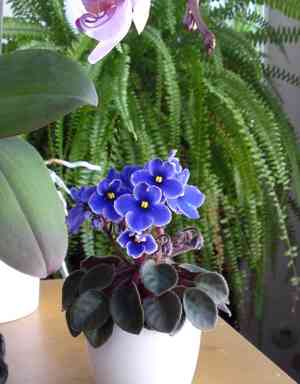
African violets are celebrated for their brilliant, gem-toned flowers that can bloom year-round. Their rich purple, pink, and white shades can significantly enhance any indoor area, making it more visually appealing. The presence of such colorful flowers can also elevate mood and foster a welcoming atmosphere in your home.
Compact and Adaptable Dimensions
A key characteristic of African violets is their small size, making them ideal for confined spaces like apartments, offices, or dorms. Their flexible nature allows placement anywhere, from a table to a windowsill, without concern for excessive space consumption or demanding upkeep.
What Are the Wellness Advantages of African Violet?
Enhances Indoor Air Purity
African violets are not merely a visual delight; they also contribute to superior indoor air quality. Plants, generally, are known to absorb pollutants and release oxygen, and African violets are no exception. By integrating this plant into your living space, you can enjoy fresher air and potentially lower the risk of indoor pollution-related health concerns.
Alleviates Stress and Unease
The act of tending to and caring for African violets can offer therapeutic benefits. Engaging in plant care, such as watering and trimming, can help decrease stress and anxiety levels. The presence of greenery in your surroundings has been shown to foster relaxation and mental well-being, making African violets a perfect companion during trying times.
How to Properly Care for African Violet?
Irrigation Requirements
African violets thrive in consistently moist, but not saturated, soil. It's vital to water the plant from below to prevent wetting the leaves, which can cause rot. Employing a water tray can ensure roots receive sufficient moisture without the danger of overwatering.
Light and Temperature Preferences
African violets prefer bright, indirect illumination to flourish. Direct sunlight can scorch their foliage, while insufficient light can impede blooming. Additionally, maintaining a moderate indoor temperature range, ideally between 60-70°F, will create optimal growth conditions for this plant.
Can African Violet Be Reproduced at Home?
Reproduction Via Leaf Cuttings
Propagating African violets is a simple process that can be very gratifying. Leaf cuttings are the most common method, where a healthy leaf is cut and placed in damp soil or water until new roots and leaves emerge. This technique enables you to expand your collection or share plants with friends and family.
Ensuring Successful Propagation
To boost your chances of successful propagation, use a rooting hormone and ensure cuttings are kept in a humid environment. Covering the pot with a plastic bag can help maintain the necessary humidity levels. With proper care, new plants will begin to grow in a few weeks.
What Are Some Common Issues and Solutions?
Managing Pests
While African violets are generally robust, they can occasionally attract pests like aphids or mealybugs. Regular inspection of the plant and using a mild insecticidal soap can help control these pests. Maintaining a clean growing environment will also reduce the likelihood of infestations.
Handling Excessive Watering
Overwatering is a frequent problem that can lead to root rot in African violets. To prevent this, ensure the plant is in well-draining soil and avoid letting it sit in standing water. Using a pot with drainage holes is crucial to allow excess water to escape and keep the roots healthy.



