The Sugarcane Plant Advantage: Maximizing Home and Office Appeal and Wellness
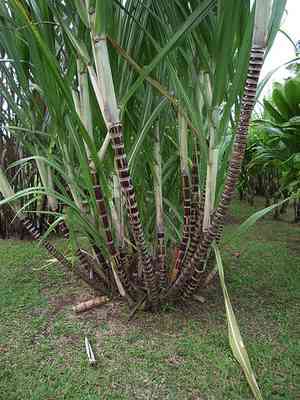
1
Sugarcane serves as a primary renewable energy source via bioethanol creation.
2
It holds a crucial position in worldwide sugar manufacturing.
3
Sugarcane presents encouraging ecological advantages such as lowering greenhouse gases.
What Are the Health Advantages of Sugarcane?
Natural Sweetness
A primary benefit of Sugarcane is its function in creating natural sweeteners. Unlike artificial alternatives, sugar from Sugarcane offers a natural choice free from synthetic compounds, making it a favored option for many consumers.
Nutrient-Rich
Sugarcane provides essential nutrients like vitamins and minerals. Its juice contains small quantities of calcium, potassium, iron, and magnesium, vital for maintaining good health. Furthermore, it possesses antioxidants that help combat oxidative stress and support overall well-being.
How Does Sugarcane Benefit the Environment?
Renewable Energy Source
Sugarcane is increasingly used for bioethanol production, a renewable energy form. Bioethanol derived from Sugarcane serves as an eco-friendly substitute for fossil fuels, helping to reduce greenhouse gas emissions and a smaller carbon footprint.
Soil Health and Water Conservation
Growing Sugarcane improves soil health by enhancing its structure and fertility. Additionally, it aids in water conservation, as the plant uses water efficiently compared to other commercial crops. These traits make Sugarcane an environmentally sustainable agricultural choice.
What Economic Contributions Does Sugarcane Offer?
Employment Opportunities
The Sugarcane sector creates significant job opportunities, especially in rural areas where employment is often scarce. From cultivation to processing, the entire Sugarcane supply chain employs millions globally, contributing substantially to local and national economies.
Integral Role in Industry
Sugarcane is a fundamental component of the sugar industry, playing a crucial role in producing various items, including food and beverages. Beyond sugar, its by-products like molasses and bagasse are valuable in different sectors, such as fermentation, bioenergy, and animal feed, thus diversifying economic benefits.
Why Is Sugarcane Important for Sustainable Development?
Enhancing Energy Security
By offering a renewable energy source, Sugarcane can help nations achieve greater energy independence. Bioethanol from Sugarcane lessens reliance on imported fossil fuels, contributing to a more stable and self-sufficient energy supply.
Promoting Green Development
Sugarcane supports sustainable agricultural practices by reducing soil degradation and improving biodiversity. Moreover, its role in renewable energy positions it as a key player in advancing green and sustainable development initiatives worldwide.



