The Minnieroot Plant Advantage: Maximizing Home and Office Appeal and Wellness
1
Minnieroot adapts well to diverse soil types, simplifying its cultivation.
2
For centuries, this plant has been incorporated into folk medicine practices.
3
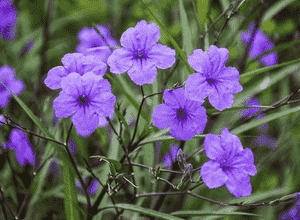
Minnieroot is valued for its bright blossoms that enhance visual beauty.
What Makes Minnieroot Stand Out?
Flexible Growth Requirements
Minnieroot is well-known for its versatility, flourishing in diverse soil types, from sandy to richer, loamy compositions. This robustness allows it to thrive in various settings, making it a popular option for both natural habitats and cultivated areas. Furthermore, the plant's capacity to endure dry spells emphasizes its hardy nature, requiring minimal upkeep once established.
Visually Appealing Qualities
Beyond its vibrant blossoms, Minnieroot significantly enhances the visual appeal of any garden or outdoor area. The bright, trumpet-shaped flowers come in various hues, frequently displaying shades of purple, blue, and occasionally white. These striking blooms not only beautify the surroundings but also draw in pollinators like bees and butterflies, boosting biodiversity and supporting a healthy ecosystem.
Traditional Uses of Minnieroot
Historical Importance
Minnieroot has been crucial to various traditional practices across different cultures. Valued for its supposed advantages, this plant has been incorporated into numerous indigenous remedies. Historically, parts of Minnieroot have been utilized as natural solutions for various purposes, leveraging its distinct characteristics.
Cultural Practices
Over time, Minnieroot has also played a role in cultural rites and ceremonies. The plant's leaves, flowers, and roots are often employed in these practices, symbolizing resilience and beauty in many traditions. The continued use of Minnieroot in these cultural contexts highlights its lasting relevance and diverse value.
How Does Minnieroot Contribute to Environmental Health?
Ecological Advantages
Minnieroot functions as a supportive component within its ecosystem. By attracting pollinators, it aids in the pollination of nearby plants, fostering biodiversity. Its ability to grow in various soil types also means it can help stabilize the ground, reducing erosion and promoting healthier landscapes.
Can Minnieroot Be Used in Landscaping?
Landscaping Applications
Absolutely! Minnieroot's aesthetic charm makes it a favorite for landscaping projects. Its vivid flowers and simple care make it perfect for adding a burst of color to gardens, borders, and even urban green spaces. Moreover, its hardiness means it can serve as a dependable choice for gardeners seeking both beauty and practicality.
Complementing Other Plants
Minnieroot also pairs well with a variety of other plants, creating visually pleasing arrangements. Whether used as a focal point or as part of a diverse plant collection, it stands out while enhancing the beauty of its plant companions. This compatibility further solidifies Minnieroot as a versatile option for any garden design.



