The Cuban royal palm Plant Advantage: Maximizing Home and Office Appeal and Wellness
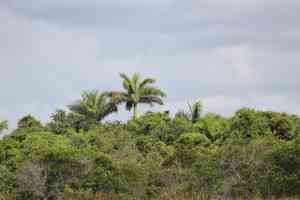
1
This flora contributes to ecological well-being by preventing soil degradation.
2
It serves as a significant origin of organic fibers utilized in regional artistry.
3
Offers shelter and sustenance to indigenous fauna.
Environmental Advantages of the Cuban Royal Palm
Combating Soil Erosion
A primary environmental benefit of the Cuban royal palm is its role in preventing soil erosion. Its extensive root network stabilizes the earth, decreasing the risk of landslides and preserving the landscape's integrity. This function is particularly vital in coastal regions where erosion can degrade marine ecosystems.
Offering Shade and Cooling
Another ecological advantage is the shade and cooling effect provided by its large crown. This characteristic is especially valuable in urban areas where increased shade can lessen the 'heat island effect,' thereby reducing overall temperatures. Furthermore, the shade helps keep the undergrowth moist, fostering biodiversity.
Economic Contributions of the Cuban Royal Palm
Source of Natural Fibers
The Cuban royal palm provides considerable economic benefits, particularly through its natural fibers. These fibers are a valuable resource for local craftspeople who utilize them to create various handicrafts such as baskets, ropes, and mats. This not only supports traditional crafts but also offers an income source for many families.
Tourism Magnet
The aesthetic appeal of the Cuban royal palm contributes to its role in boosting local tourism. Visitors are frequently drawn to areas where these plants are abundant, attracted by their majestic appearance and the natural beauty they bring to the surroundings. This influx of tourism supports local economies and generates revenue for conservation efforts.
How the Cuban Royal Palm Enhances Biodiversity
Wildlife Habitat
The Cuban royal palm plays a crucial role in supporting biodiversity by offering a habitat for various species. Birds, insects, and small mammals are often found nesting and foraging within this plant, making it an essential component of local ecosystems. Its presence supports the food chain and contributes to ecological balance.
Supporting Indigenous Flora
Beyond fauna, the Cuban royal palm also supports native plant species. Its canopy helps regulate the microclimate, creating a suitable environment for various undergrowth plants that might otherwise struggle to survive. This symbiotic relationship enhances the overall plant diversity within its habitat.
Suitability of Cuban Royal Palm for Landscaping
Aesthetic Appeal
Given its impressive appearance, the Cuban royal palm is an excellent choice for landscaping. Its towering height and lush foliage create a striking visual statement in gardens, parks, and urban settings. This plant adds a touch of elegance and tropical charm, enhancing the aesthetics of any landscape design.
Low Maintenance
Despite its grand appearance, the Cuban royal palm is relatively low maintenance once established. It requires minimal watering and is resistant to various pests and diseases, making it an easy-to-care-for addition to any garden or public space. This low maintenance aspect appeals to landscapers and gardeners seeking sustainable and efficient planting options.
Distinguishing Features of the Cuban Royal Palm
Cultural Significance
The Cuban royal palm holds a special place in the cultural heritage of many communities where it thrives. It is often featured in local folklore, traditional ceremonies, and community events, symbolizing strength and resilience. This cultural connection adds another layer of value to this already remarkable plant.
Longevity and Resilience
Another unique aspect of the Cuban royal palm is its longevity and durability. These plants can live for decades, providing consistent benefits throughout their lifespan. Their robust nature means they can withstand harsh environmental conditions, ensuring they remain a stable and enduring part of the landscape for generations to come.



