The Rugosa rose Plant Advantage: Maximizing Home and Office Appeal and Wellness
1
Known for its aromatic flowers, Rugosa rose brings a pleasant fragrance to any garden space.
2
Rugosa rose is a robust and resilient plant capable of flourishing in less-than-ideal soil.
3
Its colorful blooms offer vital nectar sources for beneficial insects like bees and butterflies.
What Are the Aesthetic Advantages of Rugosa rose?
Flowers Throughout the Season
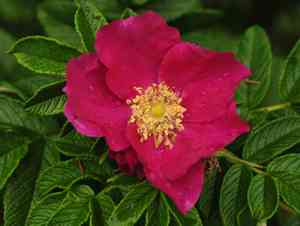
Rugosa rose is renowned for its prolonged flowering period, typically from late spring until the initial frost. This extended bloom time ensures your garden stays vibrant and colorful for most of the year. The blossoms come in various pink hues, along with white and red options, facilitating easy coordination with other plants in your landscape.
Appealing Foliage
Beyond its captivating flowers, Rugosa rose also features rich green leaves that can add texture and depth to your garden. The foliage is glossy and can serve as an excellent backdrop for the more vivid blooms. Furthermore, even when not in flower, the lush leaves keep your garden looking full and lively.
How Does Rugosa rose Benefit the Ecosystem?
Supports Pollinating Insects
A key characteristic of Rugosa rose is its capacity to draw in and sustain various pollinators, including bees and butterflies. The plant's abundant nectar and pollen are vital food sources for these beneficial insects, thereby fostering a healthy and balanced ecosystem in your garden.
Nutrient-Rich Fruit
Another ecological advantage of Rugosa rose is its nutrient-dense hips that appear after the flowers fade. These hips are a valuable food source for birds and other wildlife, contributing to the biodiversity of your garden. The hips are also rich in vitamins, which can help sustain wildlife during colder months.
Why Is Rugosa rose an Optimal Choice for Low-Effort Gardens?
Disease and Pest Resilience
Unlike many other flowering plants, Rugosa rose exhibits remarkable resistance to diseases and pests. Its robust nature means it requires fewer chemical treatments, making it a safer option for gardeners who prefer organic methods. This natural resistance also reduces the time and effort needed to maintain the plant, making it an excellent choice for low-maintenance gardens.
Thrives in Poor Soil Conditions
Rugosa rose is notably adaptable to diverse soil conditions, including poor or sandy soils where other plants might struggle. Its strong root system allows it to flourish even in less-than-ideal environments, providing greenery and flowers where you might not expect them to thrive. This adaptability makes Rugosa rose a versatile addition to various garden settings.
Can Rugosa rose Be Utilized in Landscape Design?
Perfect for Hedges and Borders
Due to its dense and thorny growth habit, Rugosa rose is an excellent option for creating natural hedges and borders. It provides an effective barrier that can deter intruders while enhancing property lines. Additionally, the plant's thick foliage offers privacy without compromising aesthetic appeal.
Erosion Prevention
Rugosa rose is also a beneficial plant for preventing soil erosion. Its extensive root system helps to stabilize soil on slopes and embankments, preventing erosion caused by wind and water. This makes it an excellent choice for landscaping areas prone to soil degradation.
How to Care for and Maintain Rugosa rose
Planting Advice
When planting Rugosa rose, it's crucial to select a well-drained location. Although it can tolerate poor soil, it thrives best when planted in soil with good drainage. Space the plants adequately to allow for proper airflow, which will help keep them healthy.
Pruning and Irrigation
Pruning is a vital aspect of maintaining Rugosa rose. Regular trimming helps keep the plant in shape and encourages more vigorous blooms. As for watering, Rugosa rose is relatively drought-tolerant once established but will benefit from occasional deep watering, especially during extended dry periods.



