The Pacific rhododendron Plant Advantage: Maximizing Home and Office Appeal and Wellness
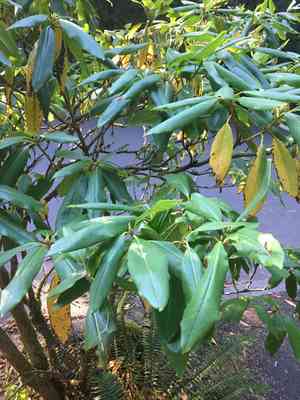
1
The Pacific rhododendron originates from the Pacific Northwest and flourishes in moderate weather conditions.
2
It provides various environmental advantages, such as aiding local fauna.
3
Pacific rhododendron enhances the beauty of any garden through its impressive flower show.
What Makes Pacific rhododendron Special?
Ecological Benefits
Pacific rhododendron plays a vital role in its native habitats, especially in the Pacific Northwest, where it flourishes. It supports local fauna by offering refuge, nectar, and pollen, crucial for various pollinators like bees and butterflies. Furthermore, the plant's root system aids in preventing soil erosion and maintaining the health of the local soil ecosystem.
Aesthetic Appeal
The vibrant blossoms of Pacific rhododendron are among its most appealing characteristics, making it a valuable addition to any garden or landscape. Available in various pink and purple hues, the flowers create a visually stunning display during spring and early summer. They not only enhance your space's visual charm but also attract birds and insects, fostering a lively garden environment.
How Can You Grow Pacific rhododendron in Your Garden?
Ideal Growing Conditions
Pacific rhododendron thrives in acidic, well-drained soil rich in organic matter. It prefers partial shade but can endure full sun in cooler climates. Consistent watering is essential, particularly during dry periods, to keep the soil moist but not waterlogged. Mulching around the plant's base helps retain moisture and suppress weeds.
Planting and Maintenance Tips
Plant Pacific rhododendron in autumn or spring to allow its roots to establish before the growing season. Space plants adequately for proper air circulation, which helps prevent disease. Pruning should occur immediately after flowering, removing spent blooms and dead or diseased branches. This promotes bushier growth and more abundant flowering the following season.
What Are the Landscape Uses of Pacific rhododendron?
Garden Borders and Hedges
Pacific rhododendron can be utilized to create impressive garden borders and hedges. Its dense foliage and vigorous growth habit make it an excellent choice for privacy screens or windbreaks. When planted in groups, Pacific rhododendron forms a beautiful and functional boundary in your garden, providing structure and year-round interest.
Wildlife Gardens
Incorporating Pacific rhododendron into wildlife gardens is an excellent way to support local biodiversity. The plant attracts a variety of pollinators, which in turn support other forms of wildlife. By providing food and habitat, Pacific rhododendron helps create a balanced ecosystem within your garden, contributing to the overall health and vitality of your outdoor space.
Why Should You Consider Pacific rhododendron for Your Well-being?
Mental Health Benefits
Caring for plants like Pacific rhododendron has been shown to offer numerous mental health advantages. Gardening is a therapeutic activity that can reduce stress, improve mood, and enhance overall well-being. The physical activity involved in planting and maintaining Pacific rhododendron, coupled with the visual enjoyment of its blooms, makes it an excellent choice for those seeking to boost their mental health through gardening.
Environmental Contributions
Pacific rhododendron contributes to a healthier environment by filtering pollutants from the air and releasing oxygen. Its presence in a garden can improve air quality, which, in turn, benefits your overall health. Additionally, the plant helps sequester carbon, playing a small but significant role in combating climate change.
What Are the Propagation Methods for Pacific rhododendron?
Seed Propagation
Propagating Pacific rhododendron from seed is a cost-effective way to expand your garden. Collect seeds from mature plants in late summer and sow them in a well-draining seed mix. Keep the soil consistently moist and place the seed tray in a location with indirect sunlight. Germination can take several weeks, and seedlings should be transplanted into individual pots once they are large enough to handle.
Cutting and Layering
Another effective method of propagation involves taking cuttings from healthy, mature plants. Choose a semi-hardwood cutting in late summer or early fall, dip it in rooting hormone, and plant it in a moist, well-draining medium. Alternatively, layering is a technique where a low-hanging branch is bent to the ground and covered with soil, allowing it to root over time. Once rooted, the new plant can be separated from the parent.



