The Garden mignonette Plant Advantage: Maximizing Home and Office Appeal and Wellness
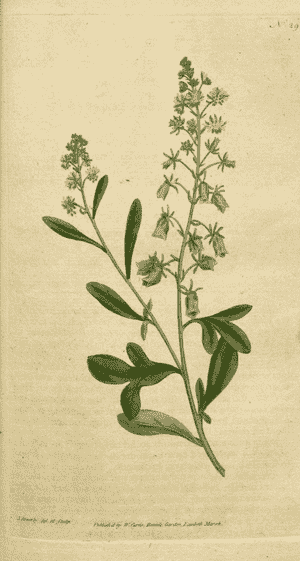
1
This botanical specimen is celebrated for its pleasant aroma.
2
It has the ability to draw in pollinating insects, which is advantageous for garden ecosystems.
3
Throughout history, this plant has found utility in diverse contexts.
Why Garden Mignonette is a Great Addition to Your Garden
Aesthetically Pleasing
Garden mignonette adds vibrancy and charm to any garden. Its small, fragrant flower clusters come in shades that beautifully complement other plants. These visual qualities make it perfect for borders or as a focal point.
Captivating Scent
A key feature of Garden mignonette is its alluring aroma. The sweet smell is not only enjoyable for people but also draws in helpful pollinators like bees and butterflies, aiding in a healthy garden ecosystem.
Simple to Grow
Garden mignonette requires minimal upkeep, making it ideal for both new and experienced gardeners. It thrives in well-drained soil and sunny to partly sunny spots. With little effort, it can flourish and continuously beautify your garden.
The Many Advantages of Garden Mignonette
Natural Pest Repellent
Beyond attracting pollinators, Garden mignonette naturally deters certain pests. Its scent can ward off specific insects, reducing the need for chemical pest control and promoting an organic gardening approach.
Historical Applications
Historically, Garden mignonette has been used for various purposes. Its inclusion in perfumes and natural scent products highlights its adaptability. The plant has also been used in traditional remedies, emphasizing its historical importance.
Improving Soil Quality
Planting Garden mignonette can positively impact soil health. Its root system helps aerate the soil, enhancing its structure and nutrient availability. This can be especially beneficial for maintaining a fertile and productive garden.
How to Grow Garden Mignonette for Best Results
Optimal Growing Conditions
Garden mignonette prefers well-drained, slightly alkaline soil and can tolerate various conditions, though it thrives best in temperate climates. It needs moderate watering and benefits from occasional feeding, especially during flowering.
Propagation Advice
Garden mignonette is typically propagated from seeds, which should be sown in a fine seedbed. Germination usually occurs within a couple of weeks, and seedlings can be transplanted when strong enough. This plant also self-seeds, contributing to its easy cultivation.
Maintenance Practices
To keep Garden mignonette healthy and attractive, regular pruning is recommended. Removing faded flowers encourages more blooms and prevents the plant from becoming leggy. Mulching helps retain soil moisture and suppress weeds.
The Environmental Impact of Growing Garden Mignonette
Supporting Biodiversity
By planting Garden mignonette, you contribute to local biodiversity. The plant offers habitat and food for essential pollinators and other beneficial insects, fostering a balanced and vibrant ecosystem.
Sustainable Gardening
Garden mignonette fits well with sustainable gardening practices. Its hardiness and low maintenance needs mean fewer resources are required for its care, making it an eco-friendly choice for environmentally conscious gardeners.
Community Gardens
Introducing Garden mignonette to community garden projects can enhance shared spaces, making them more appealing and environmentally supportive. The plant's pleasant fragrance and attractive appearance can improve the overall look and function of these communal outdoor areas.
Creating DIY Projects with Garden Mignonette
Homemade Potpourri
Garden mignonette is an excellent ingredient for making homemade potpourri. Its fragrant flowers can be dried and combined with other botanicals to create a natural air freshener for your home.
Natural Scent Sachets
Another popular DIY project involves crafting natural scent sachets with Garden mignonette. Fill small fabric bags with dried Garden mignonette flowers to freshen closets, drawers, or linens.
Decorative Uses
The beautiful flowers of Garden mignonette can be used in various decorative crafts. From floral arrangements to wreaths, its versatility makes it a favorite among crafters looking to add a natural touch to their creations.



