The Evergreen oak Plant Advantage: Maximizing Home and Office Appeal and Wellness
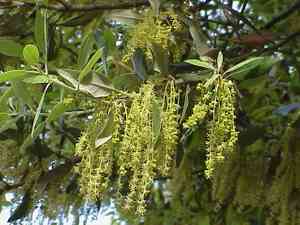
1
The evergreen oak exhibits strong drought tolerance, making it an ideal choice for arid regions.
2
Its thick foliage offers superb shade, helping to lower ambient temperatures.
3
This oak species fosters varied wildlife environments, aiding in ecological equilibrium.
What Makes Evergreen oak Unique?
Adaptability to Various Climates
Evergreen oak is well-known for its remarkable ability to thrive in diverse weather conditions. This resilience is especially clear in its capacity to endure dry spells. The plant's extensive root system enables it to absorb water efficiently, even in arid regions, ensuring its survival and growth where other species might fail. This makes Evergreen oak a dependable option for landscaping in areas prone to drought.
Year-Round Foliage
A key characteristic of Evergreen oak is its evergreen nature. Unlike deciduous trees that shed leaves in autumn, Evergreen oak keeps its dense, green leaves throughout the year. This continuous cover not only maintains vibrant landscapes but also provides consistent shade, lowering temperatures and creating a welcoming environment for both people and wildlife.
How Does Evergreen oak Benefit the Ecosystem?
Promoting Biodiversity
Evergreen oak is vital in fostering biodiversity. Its acorns serve as a food source for various wildlife, including birds, mammals, and insects. Furthermore, the strong branches of Evergreen oak offer nesting sites and shelter, supporting diverse animal populations. By incorporating Evergreen oak into green spaces, we can establish thriving habitats that encourage a balanced ecosystem.
Soil Stabilization
The extensive root network of Evergreen oak also significantly contributes to soil stabilization. This helps prevent erosion, especially on sloped or uneven terrain. By holding the soil together, Evergreen oak ensures nutrients remain in place, promoting healthy ground for other plants to grow. This soil-binding capability is invaluable for maintaining landscape integrity and supporting sustainable agriculture.
What Are the Practical Applications of Evergreen oak?
Shade and Windbreaks
Evergreen oak is an excellent choice for creating natural shade and windbreaks. Its thick canopy provides substantial cover from the sun, making it a popular tree for urban and suburban settings. In rural areas, Evergreen oak can be strategically planted to form windbreaks, protecting crops and reducing wind speed, which can help minimize property damage and soil erosion.
Timber and Firewood
Beyond its ecological advantages, Evergreen oak is valued for its robust timber. The wood of Evergreen oak is durable, resistant, and well-suited for construction and craft work. Moreover, it serves as a reliable source of firewood, known for its slow burn and substantial heat production. Utilizing Evergreen oak's wood supports sustainable forestry practices, ensuring responsible resource harvesting.
Why Should You Incorporate Evergreen oak into Your Landscape?
Aesthetic Appeal
The aesthetic appeal of Evergreen oak is a primary reason to include it in your landscape. Its dark green, leathery leaves offer a distinct texture that beautifully contrasts with other plant species. Whether used as a solitary focal point or as part of a larger green area, Evergreen oak enhances the visual interest of any space, adding structure and depth.
Low Maintenance
For those seeking a low-maintenance plant, Evergreen oak is an ideal option. It requires minimal watering once established, thanks to its deep-rooting system. Additionally, Evergreen oak is resistant to many common pests and diseases, reducing the need for chemical treatments and interventions. This easy-care nature makes it an attractive choice for busy gardeners and city planners alike.
What are the Environmental Benefits of Evergreen oak?
Carbon Sequestration
Evergreen oak plays a crucial role in carbon sequestration, helping to mitigate climate change. By absorbing carbon dioxide from the atmosphere and storing it in its wood and leaves, Evergreen oak reduces greenhouse gases, thus contributing to cleaner air. Planting Evergreen oak is a proactive step toward creating a more sustainable and resilient environment.
Air Purification
In addition to carbon sequestration, Evergreen oak actively purifies the air. Its leaves trap dust, pollen, and other air pollutants, improving air quality. This is particularly beneficial in urban areas where pollution levels are higher. Incorporating Evergreen oak into cityscapes not only enhances the beauty of the area but also promotes healthier living conditions.



