The Chinese money plant Plant Advantage: Maximizing Home and Office Appeal and Wellness
1
The Chinese money plant is recognized for its capacity to cleanse the air, making it an excellent enhancement to any dwelling.
2
This attractive plant presents straightforward maintenance, suitable even for novice plant owners.
3
The Chinese money plant is frequently regarded as an emblem of good fortune and affluence.
Why Should You Grow a Chinese money plant?
Aesthetic Appeal
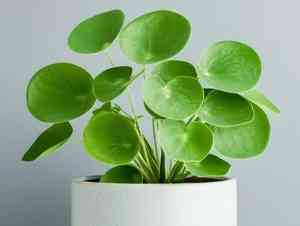
A primary draw for individuals to the Chinese money plant is its distinct, appealing look. The plant's circular, shiny leaves are visually pleasing and can serve as a stunning focal point in any space. Its unique shape and vibrant green hue introduce a touch of nature indoors, making it a fashionable addition to modern, minimalist, and diverse interior designs.
Easy Maintenance
The Chinese money plant is renowned for its low-maintenance requirements, making it a superb selection for both beginner and seasoned plant enthusiasts. It flourishes in diffused light and demands minimal irrigation. Typically, the plant only needs moisture when its soil feels parched to the touch. Furthermore, it is relatively resistant to pests, meaning you will encounter fewer problems compared to other indoor plants. This hardiness makes the Chinese money plant an ideal botanical for bustling residences or workplaces.
Health Benefits of Chinese money plant
Air Purification
Chinese money plant positively impacts indoor air quality by filtering out harmful substances and contaminants. Research indicates that houseplants can lower carbon dioxide levels and boost oxygen, creating a fresher and more healthful atmosphere for breathing. This is particularly advantageous for individuals residing in urban areas where pollution levels can be elevated.
Humidity Regulation
Another significant health advantage of the Chinese money plant is its capacity to regulate moisture in the air. Indoor environments can often become arid, especially during colder months when heating systems are in use. The Chinese money plant releases moisture into the atmosphere through a process known as transpiration, which can help sustain a comfortable level of humidity. This can prevent issues such as dry skin, respiratory discomfort, and can even enhance sleep quality.
Symbolism and Cultural Significance
Good Luck and Prosperity
Across many cultures, the Chinese money plant is seen as a symbol of good fortune, affluence, and wealth. This connection has made it a favored present for housewarmings and fresh starts. Many believe that positioning a Chinese money plant in their home or office can draw in riches and abundance, providing not only aesthetic advantages but also a positive psychological uplift.
Feng Shui Benefits
In accordance with Feng Shui principles, the Chinese money plant is perfect for attracting positive energy into an environment. Placing the plant in the prosperity corner (southeast zone) of your residence or workplace is thought to improve financial luck. Even if you don't adhere to these beliefs, the act of tending to and observing the plant's growth can foster mindfulness and tranquility.
How to Care for Your Chinese money plant Effectively?
Optimal Light Conditions
The Chinese money plant thrives in bright, indirect illumination. It's best positioned near a window where it can receive ample natural light without exposure to direct sunlight, which can scorch its foliage. If natural light is limited, the plant can also adapt to lower light levels, though its growth may slow.
Watering Practices
Overwatering stands as one of the most frequent errors people make with indoor plants. For the Chinese money plant, it's vital to allow the soil to dry out between watering sessions to avoid root rot. A good general rule is to thoroughly water the plant, letting surplus water drain from the pot's base, and then wait until the top inch of soil feels dry before rewatering. During colder months, irrigation frequency can be reduced.



