The Asian royal fern Plant Advantage: Maximizing Home and Office Appeal and Wellness
1
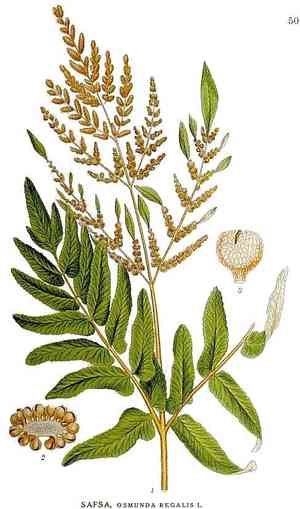
The Asian royal fern flourishes in damp, low-light conditions.
2
Its leaves are suitable for use as organic ground cover in horticulture.
3
This fern enhances your garden's beauty with its fine, intricate leaves.
What Makes Asian royal fern Unique?
Adaptability to Different Conditions
Asian royal fern is remarkably versatile and can flourish in various soil types, making it an ideal plant for diverse gardening environments. Whether you're dealing with rich, clayey, or sandy soils, this plant is robust and can manage them all, provided the soil remains damp.
Aesthetic Appeal
One of the most striking characteristics of Asian royal fern is its beautiful, delicate fronds. These fronds not only add a touch of grace to any garden but also provide a lush, green backdrop that complements other plants. The distinct structure of its foliage creates visual interest and can be a focal point in any landscape design.
Practical Uses in Gardening
Natural Mulch
The fronds of Asian royal fern can be utilized as organic mulch in your garden. When they fall, they decompose and enrich the soil with organic matter, enhancing soil structure and fertility over time. This is not only environmentally friendly but also economical as it lessens the need for commercial mulches.
Biodiversity Enhancement
Asian royal fern can also play a vital role in fostering garden biodiversity. By offering a distinct habitat for various insects and small creatures, it supports the local ecosystem. This, in turn, can help manage pests naturally and promote a healthier garden environment.
Environmental Benefits
Soil Erosion Control
Thanks to its strong root system, Asian royal fern is excellent at stabilizing soil and preventing erosion. When planted along inclines or riverbanks, it helps hold the soil together, reducing the risk of landslides or soil loss.
Water Purification
Asian royal fern can contribute to water purification in natural settings. Its roots possess the ability to absorb certain pollutants, making it a beneficial plant for areas prone to water contamination. By integrating it into your garden, you can help support cleaner water supplies.
How to Care for Asian royal fern
Watering Needs
Proper irrigation is crucial for Asian royal fern to thrive. It prefers consistently moist soil and may require regular watering, especially during dry periods. Applying mulch around the base can help retain moisture and reduce watering frequency.
Pruning and Maintenance
Pruning is relatively straightforward with Asian royal fern. Removing dead or damaged fronds not only keeps the plant looking its best but also encourages new growth. Annual pruning after the frost season can help maintain its shape and vigor.
Incorporating Asian royal fern into Landscape Design
Creating Shaded Gardens
Asian royal fern is perfect for establishing shaded areas in your garden. Its preference for low light conditions makes it ideal for planting under trees or in other shaded spots. Its elegant fronds can create a tranquil, forest-like atmosphere.
Pairing with Other Plants
To maximize the visual impact of your garden, consider pairing Asian royal fern with other shade-loving plants such as hostas, ferns, or astilbes. The combination of different textures and colors can create a more dynamic and visually engaging garden space.
Economic Value and Sustainability
Low-Cost Maintenance
One of the significant advantages of Asian royal fern is its low-cost upkeep. It doesn't require expensive fertilizers or intensive care, making it a budget-friendly option for gardeners. Its natural resilience can reduce long-term maintenance costs.
Sustainable Gardening Choice
Choosing Asian royal fern supports sustainable gardening practices. Its ability to enrich the soil, provide natural mulch, and promote biodiversity aligns with eco-friendly gardening principles. Incorporating it into your garden can contribute to a more sustainable and environmentally friendly landscape.



