The Burflower tree Plant Advantage: Maximizing Home and Office Appeal and Wellness
1
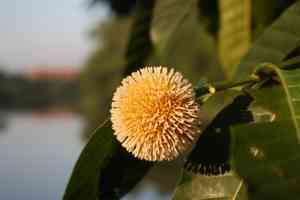
The Burflower tree is highly valued for its superior wood and quick development.
2
Extracts from this plant are frequently employed in traditional medicine for their diverse advantageous characteristics.
3
This tree plays a crucial role in environmental recovery efforts, owing to its capacity to enhance ground richness.
What Are the Key Benefits of Burflower tree?
Environmental Advantages
A significant environmental benefit of the Burflower tree is its capacity to enhance soil quality. Its shed leaves rapidly decompose, enriching the soil with organic matter and vital nutrients. This process not only boosts soil fertility but also improves its structure, making it excellent for agriculture. Furthermore, the Burflower tree exhibits a remarkable ability to absorb carbon dioxide, substantially aiding carbon sequestration efforts crucial for combating climate change.
Ecological Restoration
The Burflower tree is frequently utilized in ecological restoration projects due to its swift growth and high adaptability to diverse soil types. Its extensive root system helps stabilize soil, preventing erosion and enhancing water retention. This makes it an outstanding species for reforestation and afforestation initiatives aimed at rehabilitating degraded lands. Additionally, the Burflower tree provides a habitat for various bird and insect species, promoting biodiversity in the ecosystems where it is cultivated.
How Does Burflower tree Benefit Human Health?
Traditional Applications
The Burflower tree has been employed in numerous traditional practices for its beneficial attributes. Its bark, leaves, and fruit are recognized for their soothing and healing properties. People have used extracts from the Burflower tree for various topical applications, underscoring its importance in traditional self-care. However, contemporary research is still investigating these uses, and it is essential to consult local guidelines before use.
Enhances Wellbeing
Beyond traditional uses, integrating the Burflower tree into daily life can contribute to overall wellbeing. Its presence in gardens and urban landscapes promotes ecological health and offers aesthetic pleasure, which can positively influence mental health. The plant's ability to improve air quality by absorbing pollutants further adds to its advantages, creating cleaner and healthier living environments.
What Makes Burflower tree Economically Valuable?
Timber Production
The Burflower tree is highly valued for its timber, which is known for being durable and termite-resistant. The wood is used in various applications, including construction, furniture manufacturing, and paper production. Its rapid growth rate ensures a consistent supply of wood, making it an economically viable option for timber producers.
Non-Timber Products
Aside from timber, the Burflower tree also provides other economically valuable products. Its bark and leaves are often used in the creation of natural dyes and organic fertilizers. Moreover, the plant's flowers are sometimes utilized for producing fragrant oils. The versatility of the Burflower tree in offering multiple forms of produce highlights its economic significance, particularly in rural communities where it serves as a source of income.
How Is Burflower tree Used in Landscaping and Urban Planning?
Aesthetic Appeal
The aesthetic appeal of the Burflower tree makes it an excellent choice for landscaping and urban planning. Its lush foliage and beautiful flowers add visual charm to parks, gardens, and residential areas. Planners often select the Burflower tree for its ornamental value, which can enhance the beauty of public and private spaces.
Urban Greening
In urban areas, the Burflower tree plays a vital role in greening initiatives. It provides shade, reduces urban heat island effects, and improves air quality by filtering pollutants. The plant's adaptability to urban environments makes it ideal for city planners seeking to incorporate more green spaces into densely populated areas, contributing to healthier and more sustainable urban living.



