The Hardy banana Plant Advantage: Maximizing Home and Office Appeal and Wellness
1
The hardy banana is exceptionally resilient, tolerating temperatures down to -10°F.
2
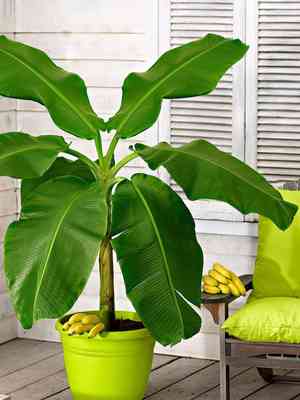
This plant improves garden beauty through its vibrant, tropical look.
3
It needs little upkeep and is largely unaffected by common pests.
Benefits of Cultivating Hardy Banana
Durability and Climate Adaptability
Hardy banana is well-known for its exceptional resilience. Unlike many tropical species, it can endure freezing temperatures, making it suitable for diverse climates. This robustness allows gardeners in colder areas to enjoy the tropical look Hardy banana offers without concern for winter damage.
Visual Allure
With its large, lush foliage and sturdy stalks, Hardy banana brings a tropical charm to any garden. Its vibrant green leaves can serve as a focal point or enhance your landscape's overall design. Whether used alone or as part of a larger tropical-themed garden, Hardy banana adds a touch of paradise to your outdoor space.
Hardy Banana Care Guide
Soil and Planting Needs
Hardy banana thrives in well-draining soil rich in organic matter. When planting, select a spot that receives full sun to partial shade. It's crucial to ensure the soil remains consistently moist but not waterlogged. Adding mulch around the plant's base can help retain moisture and regulate soil temperature.
Watering and Fertilization
Although Hardy banana is relatively low-maintenance, consistent watering is vital, especially during dry periods. Fertilize the plant with a balanced, slow-release fertilizer in spring and mid-summer to encourage healthy growth. Container-grown plants may need more frequent watering and feeding than those planted in the ground.
Potential Difficulties with Hardy Banana
Pest Resistance
A key advantage of Hardy banana is its resistance to most pests. While no plant is completely immune, Hardy banana rarely succumbs to common garden pests like aphids or mites. This natural defense reduces the need for chemical pesticides, making it an eco-friendly choice for your garden.
Winter Protection
While Hardy banana is resilient, providing some winter protection can ensure its survival in extremely cold climates. Heavy mulching around the base and wrapping the stems can offer extra insulation against harsh winter conditions. In regions with severe winters, consider growing Hardy banana in containers that can be moved indoors during the coldest months.
How to Propagate Hardy Banana
Division Technique
Propagating Hardy banana is quite straightforward. The most common method is through division. In early spring, carefully dig up the plant and separate the rhizomes. Each division should have at least one growing point (eye). Replant the divisions in well-prepared soil, ensuring they are adequately watered until established.
Pupping or Offshoots
Hardy banana also produces offshoots, or 'pups,' at the base of the main plant. These pups can be gently separated and replanted. Ensure that each pup has a good root system before planting. Propagation through offshoots is an efficient way to expand your collection or share this beautiful plant with fellow gardeners.



