The Wax myrtle Plant Advantage: Maximizing Home and Office Appeal and Wellness
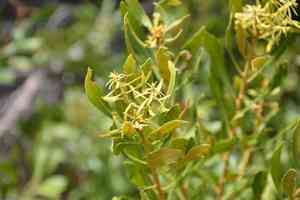
1
Wax myrtle aids in preventing soil erosion and enhances soil health.
2
This plant offers continuous privacy due to its thick, evergreen leaves.
3
Wax myrtle benefits native animals by supplying sustenance and refuge.
Why Opt for Wax Myrtle in Your Garden?
Year-Round Appeal
Wax myrtle is an evergreen species, meaning it keeps its leaves throughout the entire year. This characteristic makes it a superb selection for gardeners aiming to maintain a lush, verdant landscape in every season. The plant's foliage is fragrant, adding a pleasant scent to your garden, making it both visually pleasing and sensorily delightful.
Rapid Development
A key attribute of Wax myrtle is its quick growth rate. Whether you're using it as a hedge or a solitary specimen, it rapidly fills space, forming a thick, green barrier that can boost privacy and lessen noise pollution. This swift development makes it an excellent choice for new gardens or areas desiring prompt outcomes.
Ecological Advantages of Wax Myrtle
Erosion Prevention
Wax myrtle plays a crucial role in preventing soil erosion. Its extensive root system helps stabilize the ground, lowering the risk of landslides and erosion, particularly on inclines or banks. This positions it as a prime choice for gardeners dealing with challenging terrains.
Enhances Soil Health
This plant not only aids in erosion control but also improves soil quality. Its roots promote better soil aeration and water penetration. Furthermore, fallen Wax myrtle leaves decompose, enriching the soil with organic matter, thereby boosting its fertility and structure.
Wildlife Support Provided by Wax Myrtle
Offers Sanctuary
Local wildlife, including birds and small mammals, can find refuge within the dense foliage of Wax myrtle. Its branches provide protection from predators and harsh weather, creating a safe haven for various species. This can lead to a more diverse and vibrant garden ecosystem.
Food Source
Wax myrtle produces small, berry-like fruits that serve as a food source for numerous birds and animals. By planting Wax myrtle, you contribute to the sustenance of your local wildlife, transforming your garden into a haven for fauna while enjoying the sights and sounds of nature right in your yard.
Practical Applications of Wax Myrtle in Landscaping
Natural Privacy Barrier
The dense, evergreen nature of Wax myrtle makes it an ideal plant for establishing natural privacy screens and hedges. Whether you wish to obscure the view from a busy street or create secluded garden areas, Wax myrtle functions as an attractive, living barrier. This not only enhances your privacy but also acts as a windbreak, shielding your garden from strong gusts.
Flexible Planting Options
Wax myrtle is remarkably adaptable regarding planting choices. It can flourish in various soil types, from sandy to clay, and endure different environmental conditions, including drought. This versatility allows you to plant Wax myrtle in diverse areas of your garden, whether sunny or partially shaded, making it a flexible option for various landscaping needs.



