The Scarlet beebalm Plant Advantage: Maximizing Home and Office Appeal and Wellness
1
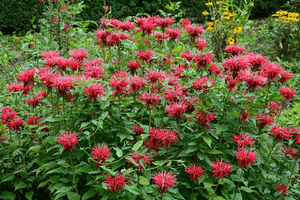
Monarda didyma is a lively flora that draws in beneficial insects such as bees and lepidopterans.
2
This botanical specimen is recognized for its fragrant foliage, suitable for infusions.
3
Monarda didyma flourishes in adequately drained earth and ample direct sunlight.
What Makes Scarlet beebalm So Special?
Pollinator Attraction
Scarlet beebalm is well-known for drawing in pollinators like bees, butterflies, and hummingbirds. Its bright, tube-shaped blossoms offer a rich nectar source, encouraging these helpful creatures to visit your garden. This not only boosts the pollination of other plants but also helps maintain local biodiversity.
Aromatic and Culinary Uses
A key characteristic of Scarlet beebalm is its fragrant leaves, often used in various cooking applications. The leaves can be brewed into a delightful, minty tea that is both refreshing and tangy. Moreover, the petals can be used to garnish salads or desserts, adding both taste and a splash of color.
Visual Appeal
The vivid, scarlet blooms of Scarlet beebalm provide stunning visual charm. They flower from mid to late summer and can brighten any garden area. Their striking hue can also be used to create beautiful floral arrangements that leave a lasting impression.
How to Grow and Care for Scarlet beebalm
Ideal Growing Conditions
Scarlet beebalm thrives in well-drained soil and full sun exposure. While it can endure partial shade, maximum sunlight ensures vigorous growth and abundant flowering. The plant prefers a pH range of 6.0 to 7.0, so slightly acidic to neutral conditions are optimal.
Watering and Fertilization
Although Scarlet beebalm is relatively low-maintenance, consistent watering is crucial, especially during dry periods. Aim to keep the soil consistently moist, but avoid waterlogging, which can lead to root rot. Fertilizing with a balanced, slow-release fertilizer in the spring can give the plant a good start for the growing season.
Pest and Disease Management
While Scarlet beebalm is generally robust, it can be vulnerable to certain pests and diseases such as powdery mildew and spider mites. Regularly inspecting the plant for signs of distress and maintaining proper spacing can help prevent these issues. If necessary, organic insecticides and fungicides can be used to manage infestations.
How Does Scarlet beebalm Support Local Wildlife?
Food Source for Pollinators
The role of Scarlet beebalm in supporting local wildlife, particularly pollinators, cannot be overstated. Bees and butterflies depend on the nectar from the flowers as a vital food source, especially during the blooming period. This not only aids in their survival but also promotes healthy pollinator populations.
Host Plant for Larvae
Beyond providing nectar, Scarlet beebalm also serves as a host plant for the larvae of certain butterfly species. This means that caterpillars can feed on its foliage, further contributing to the lifecycle of these essential insects. By planting Scarlet beebalm, gardeners create a small ecosystem that supports various stages of pollinator development.
The Role of Scarlet beebalm in Sustainable Gardening
Soil Health and Erosion Control
Planting Scarlet beebalm can significantly improve soil health due to its dense root system, which assists with erosion control. Its roots stabilize the soil, preventing erosion caused by wind and water. Additionally, the organic matter from fallen leaves enhances soil fertility over time.
Companion Planting Benefits
Scarlet beebalm can be an excellent companion plant for vegetables and other flowers. Its strong aroma can deter harmful pests, reducing the need for chemical pesticides. Furthermore, its ability to attract beneficial insects can create a healthier garden environment for all plants.
Creative Uses of Scarlet beebalm in Landscaping
Borders and Edges
With its vibrant red flowers and bushy foliage, Scarlet beebalm makes for an excellent border or edge planting. Its medium height and striking appearance can define garden spaces effectively while adding aesthetic appeal.
Wildlife Gardens
Creating a wildlife garden? Scarlet beebalm is a must-have. It attracts a myriad of pollinators, contributing to a thriving ecosystem. Its presence can encourage a balanced environment, where various species can coexist and flourish.



