The Ostrich fern Plant Advantage: Maximizing Home and Office Appeal and Wellness
1
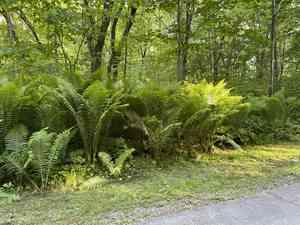
The ostrich fern is recognized for its distinctive fronds, which bear a resemblance to ostrich plumes.
2
Gardeners frequently incorporate this plant into their designs because of its attractive appearance.
3
The leaves of the ostrich fern are suitable for use in cooking, providing a singular taste.
Gardening Advantages of Ostrich fern
Aesthetic Appeal
A primary reason gardeners favor Ostrich fern is its visual charm. The plant's large, arching fronds create a lush, green backdrop, making it an ideal choice for enhancing shaded garden areas. It's particularly popular for use in woodland settings, offering a natural and tranquil atmosphere.
Minimal Upkeep
Another significant benefit is its low maintenance needs. Ostrich fern is robust and can endure various conditions, from damp soils to moderate dry spells. Once established, it requires little care, making it suitable for both new and seasoned gardeners. Applying mulch around the base can help retain soil moisture and deter weeds.
Edible Uses of Ostrich fern
Consumable Fiddleheads
A unique aspect of Ostrich fern is its edible fiddleheadsâthe young, coiled fronds that emerge in spring. These fiddleheads are considered a delicacy in many cuisines and are often sautéed, boiled, or steamed. They possess a flavor reminiscent of asparagus with a hint of nuttiness. Incorporating these into your diet can broaden your culinary experiences.
Nutrient Content
Fiddleheads are not only delicious but also rich in nutrients. They are a good source of vitamins A and C, as well as minerals like potassium and iron. Including them in your meals can provide a nutritional boost, especially during spring when fresh greens are scarce.
Ecological Benefits of Ostrich fern
Soil Erosion Prevention
Ostrich fern excels at preventing soil erosion due to its dense root system. When planted on slopes or in areas prone to erosion, its roots help bind the soil, reducing the risk of landslides and surface runoff. This makes it a valuable addition to landscapes where soil stability is a concern.
Wildlife Habitat
The thick foliage of Ostrich fern provides a habitat for various forms of wildlife. Birds, insects, and small mammals often find shelter within its fronds. By planting Ostrich fern in your garden, you can create a mini-ecosystem that supports biodiversity. It's a small step towards fostering a balanced and healthy garden environment.
How to Grow Ostrich fern in Your Garden
Planting and Soil Needs
To successfully cultivate Ostrich fern, select a location with partial to full shade and moist, well-drained soil. The plant prefers acidic to neutral pH levels. When planting, space the plants about 3 to 4 feet apart to allow for their expansive growth. Water them regularly during the first year to help establish a strong root system.
Pest and Disease Control
Ostrich fern is relatively resistant to pests and diseases, but it's still important to watch for common issues such as rust and aphids. Regularly inspect your plants and treat any infestations promptly. Applying a balanced, slow-release fertilizer in early spring can also help keep the plants healthy and vigorous.



