The Dwarf waterclover Plant Advantage: Maximizing Home and Office Appeal and Wellness
1
Very versatile regarding water environments and weather patterns.
2
Functions as an inherent water cleanser by taking in contaminants.
3
Offers shelter and sustenance for aquatic organisms, boosting ecological diversity.
What Makes Dwarf waterclover Stand Out?
Versatility Across Various Settings
A key attribute of Dwarf waterclover is its adaptability. Whether in freshwater aquariums, outdoor ponds, or marshy areas, this plant thrives in diverse water conditions and climates. Its hardiness makes it a valuable addition to both urban and rural water systems, lessening the need for constant oversight and upkeep.
Distinctive Visual Charm
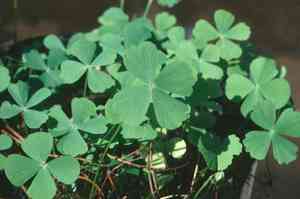
Beyond its practical uses, Dwarf waterclover is visually appealing. Its small, clover-like leaves form a dense, green mat that brings a natural touch to any water feature. This aesthetic quality makes it an excellent choice for decorative ponds and tanks, providing a natural and peaceful setting.
How Does Dwarf waterclover Benefit Aquatic Ecosystems?
Natural Water Purifier
Dwarf waterclover plays a vital role in maintaining water quality. It functions as a natural water purifier by absorbing nutrients and pollutants from the water. This helps to reduce algal growth and improve water clarity, creating a healthier environment for fish and other aquatic organisms.
Habitat and Food Source for Aquatic Life
The thick foliage of Dwarf waterclover offers an ideal habitat for small fish and invertebrates. It provides refuge from predators and a breeding ground, supporting a wide array of aquatic life. Additionally, some species consume the plant, making it a crucial part of the aquatic food web.
Can Dwarf waterclover Improve Soil Quality?
Bio-remediation of Contaminated Soils
Dwarf waterclover is not solely for aquatic environments; it can also be utilized in soil bio-remediation. The plant possesses the capacity to absorb heavy metals and other contaminants from the soil, making it a useful tool for cleaning up polluted land. This application highlights its versatility and environmental importance.
Soil Erosion Control
With its extensive root system, Dwarf waterclover helps to stabilize soil and prevent erosion. This makes it an excellent choice for planting along riverbanks and pond edges, where soil erosion is a frequent issue. Its presence ensures that the soil remains intact, preserving the natural landscape.
What Are the Horticultural Benefits of Dwarf waterclover?
Low Maintenance
Dwarf waterclover requires minimal care, making it an ideal plant for both beginner and experienced gardeners. It does not need frequent watering or fertilization, allowing it to flourish with very little human intervention. This low-maintenance nature makes it an attractive option for sustainable gardening.
Pest Resistance
Another significant advantage of Dwarf waterclover is its resistance to pests and diseases. Unlike many other aquatic plants, it is less susceptible to common plant ailments, reducing the need for chemical treatments. This not only ensures a healthier garden but also contributes to a safer and more eco-friendly environment.



