The Kleinia anteuphorbium Plant Advantage: Maximizing Home and Office Appeal and Wellness
1
Kleinia anteuphorbium is recognized for its ability to withstand dry conditions, making it ideal for water-wise landscaping.
2
This plant aids in stopping soil loss, promoting improved soil quality.
3
Its distinctive form and visual charm make it a prominent feature in any garden.
Why Select Kleinia anteuphorbium for Your Garden?
Exceptional Drought Tolerance
A primary benefit of Kleinia anteuphorbium is its remarkable ability to withstand dry conditions. This plant is well-suited for arid and semi-arid environments, making it ideal for xeriscaping and reducing garden water consumption. Its capacity to store water and endure prolonged dry spells without extra irrigation demonstrates its hardiness. This positions Kleinia anteuphorbium as a valuable asset for gardeners aiming for sustainable, water-efficient landscapes.
Soil Preservation and Erosion Control
Kleinia anteuphorbium plays a vital role in preserving soil by preventing erosion. Its root system anchors the soil, lessening the risk of degradation from wind and water. This stabilization helps maintain soil integrity, improves water absorption, and supports the growth of other nearby plant species. Planting Kleinia anteuphorbium in erosion-prone areas can significantly reduce environmental harm, making it an eco-conscious choice for land restoration efforts.
Boosting Visual Appeal
Distinctive Form and Aesthetic Charm
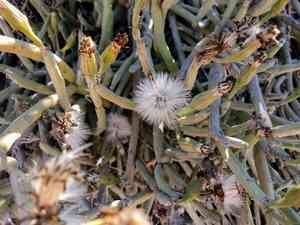
The unique structure of Kleinia anteuphorbium adds a special visual element to any garden or landscape. Its architectural shape, often featuring attractive leaves and blooms, creates a striking display that stands out among typical garden plants. Whether used as a focal point or an accent, Kleinia anteuphorbium's intricate patterns and textures contribute to a dynamic and engaging garden design.
Adaptability in Landscape Design
Due to its versatility, Kleinia anteuphorbium can be integrated into various landscape styles, from modern to traditional. It pairs well with other water-wise plants and can be utilized in rock gardens, desert-themed settings, and mixed borders. Its adaptability to different soil types and conditions further enhances its appeal, allowing gardeners to explore diverse design concepts.
Environmental Contributions
Supporting Local Wildlife
Kleinia anteuphorbium provides valuable habitat and sustenance for local wildlife, including pollinators like bees and butterflies. By attracting these beneficial insects, Kleinia anteuphorbium fosters biodiversity and aids in the pollination of nearby flora. Cultivating a garden that supports local fauna not only benefits the ecosystem but also enriches the gardening experience by promoting a deeper connection with nature.
Carbon Capture
Another significant environmental advantage of Kleinia anteuphorbium is its role in sequestering carbon. Like other plants, Kleinia anteuphorbium absorbs carbon dioxide during photosynthesis, helping to lessen the impacts of climate change by reducing atmospheric greenhouse gases. By planting Kleinia anteuphorbium in your garden, you contribute to a healthier planet and support global initiatives to combat carbon emissions.
Maintenance and Care Advice
Planting and Soil Needs
For successful growth of Kleinia anteuphorbium, it's crucial to plant it in soil that drains well. This plant prefers sandy or loamy soil with good drainage to prevent root rot. When planting Kleinia anteuphorbium, select a spot that receives ample sunlight, as it thrives in full sun. Proper spacing is also important to allow air circulation and prevent overcrowding, which can lead to disease.
Watering and Trimming
While Kleinia anteuphorbium is drought-tolerant, it's important to provide water during its establishment phase until its root system is fully developed. Once established, watering can be significantly reduced. Pruning Kleinia anteuphorbium helps maintain its form and encourages robust growth. Promptly remove any dead or damaged foliage to prevent disease spread and enhance the plant's overall look.
Common Questions About Kleinia anteuphorbium
How can I propagate Kleinia anteuphorbium?
Propagating Kleinia anteuphorbium is quite simple and can be achieved using seeds or cuttings. To propagate from cuttings, choose a healthy stem and cut it just below a node. Allow the cutting to dry for a few days before planting it in well-draining soil. Water sparingly until roots emerge. For seed propagation, collect seeds from mature plants and sow them in a seed tray with a mix of sand and compost. Keep the soil moist and place the tray in a warm, sunny location until germination occurs.
What pests and diseases affect Kleinia anteuphorbium?
Although Kleinia anteuphorbium is generally hardy, it can occasionally encounter issues with pests such as aphids, mealybugs, and spider mites. Regular inspection and prompt action are key to effectively managing pest infestations. Treat affected plants with insecticidal soap or neem oil. Regarding diseases, Kleinia anteuphorbium may suffer from root rot if planted in poorly-draining soil. Ensuring proper soil conditions and avoiding overwatering are the best preventative measures.



