The Hakone grass Plant Advantage: Maximizing Home and Office Appeal and Wellness
1
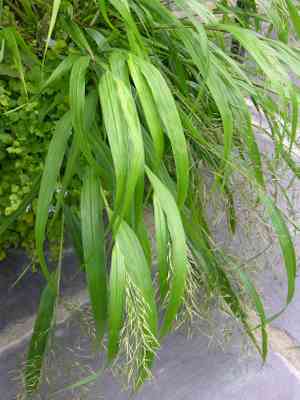
Hakone grass brings a refined aesthetic to any outdoor space with its graceful, arching foliage.
2
This easy-to-care-for plant flourishes in low-light conditions, enhancing the beauty of neglected areas.
3
Hakone grass offers superb ground coverage and assists in preventing the proliferation of weeds.
Why Cultivate Hakone Grass in Your Garden?
Aesthetic Allure
A primary reason gardeners favor Hakone grass is its visual appeal. The plant's arching, bamboo-like leaves create a flowing effect that adds movement and grace to any garden. Depending on the variety, the foliage can range from vibrant green to variegated yellow and green, offering a dynamic color palette throughout the growing season.
Minimal Upkeep Requirements
Hakone grass is known for being a low-maintenance plant. Once established, it needs little care, making it ideal for busy gardeners or those new to gardening. It flourishes in shaded or partially shaded spots, and its drought tolerance means it can endure dry spells without significant water needs.
Resilience
The hardiness of Hakone grass adds to its charm. It is highly resistant to pests and diseases, reducing the need for pesticides and other chemical treatments. Furthermore, it can tolerate various soil types as long as the soil drains well, making it adaptable to different garden conditions.
Year-Round Interest
Unlike some plants that peak in one season, Hakone grass offers continuous appeal. In spring and summer, its lush green leaves create a vibrant landscape. By autumn, certain varieties develop golden hues, providing a seasonal change that adds depth and character to your garden.
How Does Hakone Grass Support Eco-Friendly Gardening?
Weed Suppression
Due to its dense growth habit, Hakone grass naturally suppresses weeds. Its thick foliage forms a canopy that shades the soil from sunlight, preventing weed germination and growth. This natural weed control lessens the need for herbicides, fostering a healthier garden ecosystem.
Soil Erosion Control
The extensive root system of Hakone grass helps stabilize soil, making it an excellent choice for preventing erosion on slopes and embankments. By anchoring the soil, it minimizes runoff and helps maintain the integrity of your landscape.
Wildlife Habitat
Hakone grass provides a home for various beneficial insects and small wildlife. Its dense foliage offers shelter and food sources, contributing to biodiversity in your garden. Encouraging wildlife not only aids in pest control but also supports pollination and a robust garden ecosystem.
Common Inquiries About Growing Hakone Grass
What is the optimal planting site for Hakone grass?
Hakone grass thrives in partially to fully shaded areas. It prefers well-drained soil with moderate moisture levels. While it tolerates different soil types, enriching the soil with organic matter can enhance its growth and vigor.
How frequently should you water Hakone grass?
Watering needs for Hakone grass are moderate. During the initial establishment phase, ensure consistent watering to help the roots develop. Once established, Hakone grass is relatively drought-tolerant and only requires additional watering during prolonged dry periods.
How do you propagate Hakone grass?
Propagation of Hakone grass is typically achieved through division. The best time to divide the plant is in early spring or late autumn. Carefully dig up the clump, separate it into smaller sections with healthy roots, and replant them in the desired locations.
Enhancing Landscape Design with Hakone Grass
Pairing with Other Plants
Hakone grass complements other shade-loving plants like hostas, ferns, and astilbes. Combining Hakone grass with these companion plants creates layers of texture and color, boosting the visual interest of your garden. Its foliage also offers a fine contrast to the broad leaves of many shade perennials, creating a balanced and harmonious landscape.
Use in Garden Edges and Paths
Hakone grass is ideal for defining garden borders and pathways. Its low-growing habit and graceful arching leaves provide a soft edge that guides visitors through the garden. Additionally, planting Hakone grass along pathways can soften hardscaping, creating a more inviting and cohesive garden design.



