The Common corn-flag Plant Advantage: Maximizing Home and Office Appeal and Wellness
1
The common corn-flag is an easy-to-care-for plant, ideal for gardening enthusiasts.
2
It produces attractive flowers that can enhance the beauty of any outdoor space.
3
Common corn-flag serves a functional purpose in preventing soil erosion within gardens.
Why Plant Common Corn-Flag?
Effortless Upkeep
A key appeal of Common corn-flag is its minimal care requirements. This plant flourishes with little attention, making it suitable for both new and seasoned gardeners. It doesn't need frequent watering and resists most pests and diseases. This makes it an excellent option for those desiring a beautiful garden without intense maintenance.
Aesthetic Appeal
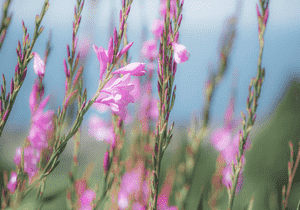
Beyond its practical advantages, Common corn-flag is visually striking. The plant produces lovely, vivid blooms that vary in hue, adding a burst of color to any garden. These flowers act as a focal point in garden design, offering a captivating contrast to foliage and smaller plants. For those aiming for an attractive garden, Common corn-flag is essential.
Practical Applications of Common Corn-Flag
Soil Stabilization
Common corn-flag excels at preventing erosion due to its strong root system. When planted in areas prone to soil loss, its roots help anchor the soil, stopping it from being washed away by rain or irrigation. This makes it a functional yet attractive addition to any landscape, especially in gardens with slopes or embankments.
Cut Flower Use
Common corn-flag blossoms are ideal as cut flowers for arrangements. Their long stems and striking colors can brighten any indoor space. You can use them in bouquets or place them in vases to add a natural element to your home decor. The flowers also last a long time, ensuring your arrangements stay vibrant for an extended period.
Common Corn-Flag Care Guide
Optimal Growing Conditions
Common corn-flag thrives in well-drained soil and can tolerate various soil types, from sandy to loamy. It prefers full sun but can also grow in partial shade. Plant Common corn-flag bulbs approximately 4-6 inches deep and 6-8 inches apart to allow ample growth space. Autumn is the best time for planting, letting bulbs establish roots before winter.
Watering and Feeding
While Common corn-flag is drought-tolerant, consistent watering during its active growth phase will result in better blooms. Water the plants once weekly, ensuring the soil is moist but not waterlogged. Fertilization can be done in early spring with a balanced, slow-release fertilizer to encourage healthy growth and abundant flower production.
Addressing Common Problems
Pest Control
Common corn-flag is generally pest-resistant but can occasionally be affected by slugs and snails. Employing organic pest control methods, such as using diatomaceous earth or creating physical barriers, can help deter these pests. Regular plant inspection can also prevent minor pest issues from escalating.
Disease Management
Although Common corn-flag is disease-resistant, it may sometimes suffer from issues like root rot or fungal infections. Ensuring the plant is not overwatered can prevent root rot, while good air circulation around the plants can help ward off fungal diseases. If you observe any disease symptoms, treating the plants with fungicides can stop their progression.



