The Prairie Smoke Plant Advantage: Maximizing Home and Office Appeal and Wellness
1
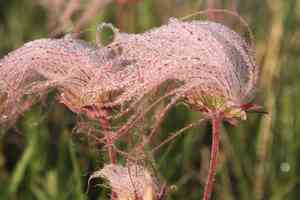
This botanical specimen is celebrated for its distinctive and attractive flowers, which can elevate the visual appeal of any outdoor space.
2
It offers essential shelter and nourishment to a range of pollinators, such as bees and butterflies.
3
Requiring minimal upkeep and resistant to dry conditions, it's perfect for environmentally conscious and sustainable landscaping.
What Makes Prairie Smoke Unique in Your Garden?
Distinctive Visual Appeal
Prairie Smoke is celebrated for its visually striking blossoms, which resemble plumes of smoke suspended in the air, hence its common name. These flowers add a vibrant touch to the garden in spring and early summer. As the blooms mature, they develop a silky, feathery mass that can capture sunlight, creating a picturesque scene in any setting.
Year-Round Interest
Another aesthetic advantage of cultivating Prairie Smoke is its capacity to offer visual appeal across multiple seasons. In spring, the plant bursts into bloom, providing a splash of color. By mid-summer, its seed heads adopt a feathery form, lending a soft, delicate texture to the garden landscape. Even in winter, the dried, airy seed heads can contribute a unique structural element to the otherwise dormant garden.
How Does Prairie Smoke Benefit Local Wildlife?
Pollinator Attractor
One of the most significant ecological advantages of Prairie Smoke is its role as a magnet for pollinators. The flowers serve as an excellent source of nectar and pollen for bees, butterflies, and other beneficial insects. By incorporating Prairie Smoke into your garden, you help sustain these crucial species, which are vital for pollination and the overall health of ecosystems.
Habitat Provision
Prairie Smoke also offers habitat advantages, particularly for native insects. The plant's dense foliage and unique structure create a sheltered environment that can serve as a home or foraging ground for various species. This habitat provision is especially critical in urban or suburban areas where natural habitats may be limited.
How Does Prairie Smoke Support Sustainable Gardening?
Low Maintenance
One of the most appealing attributes of Prairie Smoke for gardeners is its minimal maintenance requirements. Once established, the plant needs little care, making it an excellent choice for those seeking to create a beautiful yet effortless garden. It thrives in well-drained soil and, being drought-tolerant, can endure periods of dry weather without extensive watering.
Soil Health Benefits
Prairie Smoke contributes to soil health in several ways. Its root system helps prevent soil erosion, maintaining the integrity of your garden's soil structure. Additionally, the plant can enhance soil fertility over time, as its decaying organic matter returns essential nutrients to the soil.
Why Consider Native Plants Like Prairie Smoke?
Adaptability and Resilience
Native plants such as Prairie Smoke are well-suited to local climatic conditions, making them highly resilient to weather extremes. This adaptability reduces the need for chemical inputs like fertilizers and pesticides, promoting a more sustainable gardening approach.
Supporting Local Ecosystems
By planting Prairie Smoke, you support local ecosystems by cultivating a native species that local wildlife and plants recognize and require. This native plant can coexist harmoniously with other native species, thereby maintaining and enhancing biodiversity in your garden and the surrounding areas.
Integrating Prairie Smoke into Your Garden Design
Planting and Care Guidelines
To successfully integrate Prairie Smoke into your garden, select a location that receives full to partial sun exposure. Plant it in well-drained soil and water regularly during the establishment phase. Once established, the plant will require minimal upkeep but may benefit from occasional watering during extended dry spells.
Companion Planting Suggestions
Prairie Smoke pairs well with other native and perennial plants. Consider combining it with grasses or other flowering species that share similar growing conditions. This not only enhances your garden's aesthetic appeal but also fosters a biodiverse ecosystem, benefiting both the plants and local wildlife.



