The Salal Plant Advantage: Maximizing Home and Office Appeal and Wellness
1
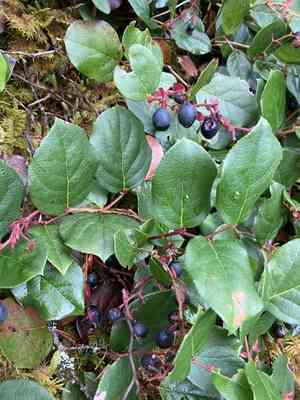
Salal produces edible fruits, packed with antioxidants.
2
Salal foliage has various historical applications, such as a culinary additive.
3
Salal contributes significantly to ground stability and erosion control.
Health Advantages of Salal
What Nutrients Are Present in the Berries?
Salal berries are rich in essential vitamins and minerals. They contain high levels of antioxidants like vitamin C and flavonoids, which help reduce oxidative stress in the body. Antioxidants are vital for maintaining overall health by neutralizing harmful free radicals.
How Can Salal Foliage Be Utilized?
Salal leaves have been historically employed for their aromatic qualities. They can be incorporated into various culinary preparations, imparting a distinct flavor to meals. Furthermore, these leaves have been ground into a powder to enhance the taste of different foods. Their nutritional content also adds a healthy component to your diet.
Environmental Benefits of Salal
Why Is Salal Crucial for Soil Stability?
Salal possesses a strong root system that aids in soil stabilization. This is especially important in preventing soil erosion in areas prone to heavy rain or wind. By anchoring the soil, Salal contributes to the ecosystem's overall health by preventing nutrient loss.
How Does Salal Support Wildlife?
Salal serves as a valuable food source for various wildlife, including birds and small mammals. The plant's dense foliage provides refuge for numerous creatures, fostering biodiversity and supporting a balanced ecosystem. This makes Salal an excellent option for anyone aiming to create a wildlife-friendly garden.
Cultural and Traditional Uses of Salal
How Have People Historically Used Salal?
Historically, Salal has been incorporated into various cultural practices. Its berries were frequently gathered and consumed fresh or dried for later use. The leaves were traditionally used for their medicinal properties, though this varies by region and community. These traditional applications highlight the plant's enduring value among indigenous cultures.
Can Salal Be Incorporated into Modern Cuisine?
Salal is increasingly finding its way into contemporary cooking. Chefs and home cooks are discovering its unique flavor profile, using it in sauces, jams, and even cocktails. The plant's edible parts are versatile and can be integrated into a variety of modern dishes, making it a popular ingredient for adventurous culinary enthusiasts.
Cultivating and Caring for Salal
What Are the Optimal Growing Conditions?
Salal thrives in diverse environments, from coastal areas to forest undergrowth. It prefers well-drained soil and can tolerate both full sun and partial shade. Ensuring the correct conditions for growth will maximize the plant's health and productivity.
How Can You Propagate Salal?
Salal can be propagated from seeds, cuttings, or by layering. Seed propagation requires patience, as the germination process can be slow. Cuttings are a more efficient method, offering faster growth and quicker establishment in the garden. Layering involves bending a stem to the ground and covering it with soil until roots form, after which the new plant can be separated and transplanted.



