The Black ash Plant Advantage: Maximizing Home and Office Appeal and Wellness
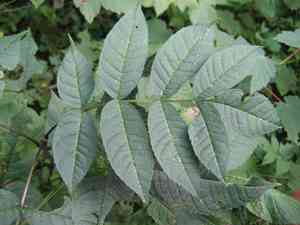
1
Black ash exhibits strong water resistance due to its distinct wood structure.
2
The timber from Black ash is valued for its pliability and resilience.
3
Black ash is vital to wetland environments, offering critical living spaces for animals.
What Makes Black ash Unique?
Anatomy and Characteristics
The timber of Black ash possesses distinct structural attributes that render it especially resistant to moisture. Its densely packed fibers make it impervious to rot and decay, making it perfect for use in environments where dampness is common. Furthermore, the pale-colored wood is recognized for its pliability and strength, qualities that have made it a preferred material for centuries among artisans and builders.
Habitat and Growth Conditions
Black ash is primarily found in wetland regions, thriving in environments that many other plant species find unsuitable. This capacity to flourish in marshy, waterlogged soil underscores the plant's resilience and adaptability. Moreover, the natural environment of Black ash significantly contributes to maintaining the health of wetland ecosystems by stabilizing soil and offering a rich habitat for various forms of wildlife.
Environmental Benefits of Black ash
Wetland Ecosystem Support
Black ash plays a crucial role in sustaining wetland ecosystems. Its extensive root systems help prevent soil erosion, fostering stability within these delicate environments. Additionally, the plant serves as a vital habitat for a diverse array of wildlife species, including birds, insects, and small mammals.
Biodiversity Enhancement
In ecosystems where Black ash is a dominant species, biodiversity tends to thrive. This plant offers essential shelter and nutritional resources for numerous organisms. Its presence helps maintain a balanced and flourishing ecosystem, promoting an intricate web of life that relies on the plant for survival and proliferation.
Why is Black ash Valued in Craftsmanship?
Traditional Uses in Furniture and Basketry
Historically, the timber of Black ash has been highly prized by artisans, especially in the creation of furniture and basketry. Its durability coupled with flexibility allows craftsmen to create robust yet intricate designs. Baskets crafted from Black ash are renowned for their lasting quality and aesthetic appeal.
Modern Applications in Sustainable Design
In contemporary times, Black ash continues to be a favored material in sustainable design practices. Its eco-friendly attributes â being a renewable resource with a minimal environmental footprint â are increasingly acknowledged in the production of furniture, flooring, and other wood-based products. The use of Black ash in modern architecture and interior design not only promotes sustainability but also enhances the aesthetic value of living spaces with its natural beauty.
How Black ash Supports Local Economies
Job Creation and Economic Stability
The cultivation and harvesting of Black ash bolster local economies by generating employment opportunities in forestry, woodworking, and crafts. Small-scale businesses, particularly those focused on sustainable and artisanal products, benefit significantly from this resource. By supplying raw materials for various industries, Black ash contributes to economic stability and growth in rural communities.
Community and Cultural Significance
Black ash holds a special place in the cultural heritage of many communities, especially among Indigenous peoples who traditionally utilized the wood for a variety of purposes. The art of crafting objects from Black ash is often passed down through generations, preserving historical and cultural knowledge. This tradition not only fosters a sense of identity and continuity but also promotes respect for natural resources and sustainable practices.



