The Candelabra tree Plant Advantage: Maximizing Home and Office Appeal and Wellness
1
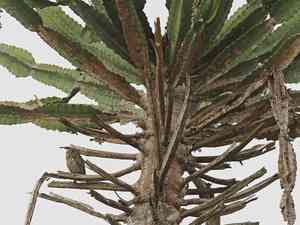
The Candelabra tree flourishes in dry environments, making it a robust choice for any garden.
2
The distinctive fluid from the Candelabra tree serves as an organic insect repellent.
3
Candelabra tree enhances outdoor spaces with its impressive, candelabra-like structure.
Why is the Candelabra tree Perfect for Dry Climates?
Exceptional Drought Resistance
A primary reason to consider the Candelabra tree for your garden is its remarkable ability to withstand drought. Originating from areas with limited rainfall, this plant has evolved to thrive in some of the most challenging environments. Its deep root structure allows it to access water far beneath the surface, reducing the need for frequent watering. This makes the Candelabra tree an excellent, low-effort option for those aiming to conserve water.
Minimal Upkeep
Unlike many plants that demand constant care, the Candelabra tree requires very little maintenance. Once established, it needs minimal watering and feeding, making it an ideal choice for individuals who may not possess a natural gardening talent. Simply plant it in well-draining soil, and you're set for years of effortless growth.
What are the Pest Management Advantages of the Candelabra tree?
Natural Pest Repellent
The milky fluid of the Candelabra tree naturally deters many common garden pests. When applied correctly, this sap can help safeguard nearby plants from insects such as aphids, caterpillars, and beetles. This positions the Candelabra tree as a valuable ally in reducing the need for chemical pesticides, contributing to a more environmentally friendly garden.
Safe for Pollinators
While the Candelabra tree effectively repels harmful insects, it does not deter beneficial pollinators like bees and butterflies. This balance ensures your garden remains a flourishing ecosystem, promoting improved plant health and productivity.
How Can the Candelabra tree Improve Your Landscape?
Structural Allure
The Candelabra tree introduces a distinctive and impressive architectural element to any landscape. Its tall, candelabra-like branches create a captivating silhouette that stands out in any garden. This makes it an excellent choice for those seeking to add a touch of natural artistry to their outdoor areas.
Design Adaptability
Whether your garden is modern and minimalist or a lush, tropical haven, the Candelabra tree can integrate seamlessly into your design. Its adaptable form can serve as a focal point, a natural divider, or even a unique backdrop for other plants. This versatility ensures the Candelabra tree can complement any garden style.
What are the Ecological Benefits of the Candelabra tree?
Soil Stabilization
The extensive root system of the Candelabra tree plays a vital role in stabilizing soil. By anchoring the soil, it helps prevent erosion, making it an excellent choice for areas susceptible to soil degradation. This ecological advantage contributes to maintaining healthy soil and fostering a sustainable garden ecosystem.
Wildlife Habitat
The Candelabra tree also offers a home for various forms of wildlife. Birds and small animals often seek refuge in its branches, while its flowers can attract a range of insects. This makes the Candelabra tree a valuable addition to any garden aiming to support local biodiversity.
What are the Aesthetic and Practical Uses of the Candelabra tree in Home Decor?
Indoor Embellishment
The Candelabra tree can also be utilized to enhance indoor spaces. Its striking form and low maintenance requirements make it a popular choice for large pots in living rooms, hallways, and offices. The plant's unique silhouette can serve as a stunning natural sculpture, adding a touch of greenery to your interior decor.
Outdoor Division
In outdoor settings, the Candelabra tree can function as a natural partition or hedge, offering privacy while adding aesthetic value. When planted in rows, it forms a living fence that can define different sections of your garden without the need for artificial barriers.



