The Shrove tuesday Plant Advantage: Maximizing Home and Office Appeal and Wellness
1
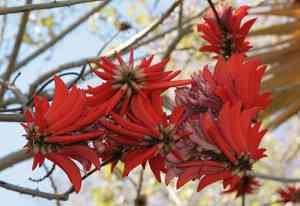
Shrove Tuesday, with its striking red blooms, makes a beautiful enhancement to any garden.
2
This species is celebrated for its capacity to draw in beneficial insects such as bees and butterflies.
3
Due to its nitrogen-fixing capabilities, Shrove Tuesday is an outstanding option for enhancing soil quality.
What is Shrove tuesday and Why is it Unique?
Appearance and Growth Patterns
Shrove tuesday, recognized for its striking bright red blossoms, distinguishes itself in any garden due to its distinct look. This visually appealing plant exhibits a vigorous growth habit that typically positions it as a centerpiece in landscape designs. Its tall, prominent flowers not only capture attention but also provide height and structure to various garden layouts. This plant is relatively simple to cultivate, adapting well to diverse soil types and climates, making it a favored option among gardeners.
Environmental Impact
A significant advantage of Shrove tuesday is its positive ecological contribution. As a nitrogen-fixing plant, Shrove tuesday possesses the remarkable capacity to enrich the soil it inhabits. This process involves converting atmospheric nitrogen into a usable form for plants, naturally fertilizing the soil and lessening the need for chemical fertilizers. By enhancing soil health, Shrove tuesday supports more sustainable gardening practices, contributing to the overall well-being of the ecosystem.
How Does Shrove tuesday Attract Pollinators?
Luring Bees and Butterflies
Shrove tuesday is renowned for its ability to draw a variety of pollinators, particularly bees and butterflies, which are vital for the fertilization of numerous plants. The vibrant red flowers of Shrove tuesday are highly appealing to these insects, serving as a primary food source. This not only aids in the plant's reproduction but also helps sustain local pollinator populations. The presence of these pollinators can lead to a more lively and productive garden.
Supporting Biodiversity
By attracting a diverse array of pollinators, Shrove tuesday plays a crucial role in fostering broader biodiversity within your garden. Pollinators are essential for the cross-pollination of various plants, leading to a more diverse and resilient ecosystem. A garden featuring Shrove tuesday is likely to experience increased activity from these insects, promoting a healthy and balanced environment.
What Are the Soil Benefits of Shrove tuesday?
Natural Soil Enrichment
One of the most notable characteristics of Shrove tuesday is its capacity to naturally enrich the soil through nitrogen fixation. This process boosts soil fertility, making it an excellent companion plant for a range of garden species. By increasing the nitrogen content in the soil, Shrove tuesday supports the growth of neighboring plants, reducing the reliance on synthetic fertilizers and encouraging a more organic gardening approach.
Improving Soil Structure
Beyond adding nutrients to the soil, Shrove tuesday also helps enhance its overall structure. The plant's root system assists in soil aeration, improving its ability to retain moisture and nutrients. This results in better plant growth and a healthier garden ecosystem. Gardeners often utilize Shrove tuesday to revitalize depleted soils, making it an indispensable tool for sustainable gardening practices.
How to Cultivate Shrove tuesday in Your Garden?
Planting and Care Tips
Cultivating Shrove tuesday is relatively straightforward, even for beginner gardeners. Begin by selecting a sunny location in your garden with well-drained soil. Plant Shrove tuesday seeds or seedlings after the last frost, ensuring they are adequately spaced to accommodate their mature size. Consistent watering during the initial growth phase is critical, but once established, Shrove tuesday is quite drought-tolerant. Pruning is necessary to maintain the plantâs form and encourage abundant blooms.
Pest and Disease Management
Shrove tuesday is generally resistant to pests and diseases, making it a low-maintenance addition to any garden. However, gardeners should monitor for common garden pests such as aphids and caterpillars. Regular inspection and organic pest control methods can help manage any potential issues. Ensuring proper air circulation and avoiding waterlogged conditions will also minimize the risk of fungal infections.



