The Spoonleaf sundew Plant Advantage: Maximizing Home and Office Appeal and Wellness
1
The spoonleaf sundew is recognized for its distinct capacity to trap insects.
2
This botanical specimen flourishes in moist, acidic conditions.
3
Spoonleaf sundew has the potential to enrich the variety of life in your outdoor space.
What Makes Spoonleaf sundew So Special?
Insect-Catching Prowess
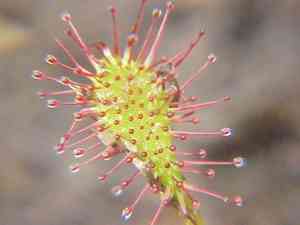
A key characteristic of Spoonleaf sundew is its capacity to capture and consume insects. This trait not only distinguishes the plant but also offers a natural form of pest management for your garden. The adhesive, glandular hairs on its foliage ensnare insects, which the plant then digests. This process diminishes garden pests without chemical pesticides, fostering a healthier, more organic gardening approach.
Natural Habitat and Growth Conditions
Spoonleaf sundew flourishes in damp, acidic soils and is frequently found in marshy regions. Its preference for such specific environments means it can be a valuable addition to gardens with similar conditions. By cultivating Spoonleaf sundew, gardeners can introduce a plant that not only excels in these settings but also enhances their garden's overall biodiversity. This plant's ability to thrive where others might struggle makes it a robust choice for diversifying plant collections.
How Does Spoonleaf sundew Enhance Your Garden Ecosystem?
Boosting Biodiversity
Integrating Spoonleaf sundew into your garden can significantly increase local biodiversity. Its presence fosters an environment that supports a wide array of organisms, from insects that become its prey to various microorganisms that thrive in the unique soil conditions Spoonleaf sundew favors. This intricate network of life contributes to a healthier garden ecosystem, promoting natural balance and resilience.
Aiding Soil Health
The cultivation of Spoonleaf sundew can positively influence soil health. By flourishing in acidic and wet conditions, it helps maintain these specific soil properties, making it suitable for other acid-loving plants. Furthermore, the decaying remains of insects digested by Spoonleaf sundew can enrich the soil with vital nutrients, fostering a more fertile and productive garden bed.
Practical Tips for Growing Spoonleaf sundew in Your Garden
Choosing the Right Location
To ensure the successful growth of Spoonleaf sundew, select a garden spot that mimics its natural environment. Look for areas that are consistently moist and can provide the acidic soil conditions this plant prefers. Raised beds with a mix of peat moss and sand can replicate the boggy setting Spoonleaf sundew thrives in, offering the ideal environment for its development.
Watering and Maintenance
Maintaining adequate moisture levels is vital for Spoonleaf sundew's health. Keep the soil consistently damp but not waterlogged, and use distilled water or rainwater to avoid altering soil pH levels with minerals found in tap water. Minimal fertilization is needed, as this plant primarily obtains nutrients from the insects it captures. Regularly remove any dead plant material to prevent fungal growth and ensure proper air circulation around the plant.
What Are the Aesthetic Benefits of Spoonleaf sundew?
Striking Appearance
Visually, Spoonleaf sundew is a captivating addition to any garden. Its spoon-shaped leaves, adorned with glistening, sticky droplets, create an eye-catching display. This distinctive look can serve as a focal point in garden design, attracting interest and providing a conversation starter for garden visitors.
Seasonal Beauty
Throughout the growing season, Spoonleaf sundew offers evolving aesthetics. Beyond its fascinating leaves, the plant produces delicate flowers that add seasonal charm to your garden. These blooms can vary in color, providing a natural and subtle burst of color that complements other garden plants.



